January Gardening: Your Monthly Garden Guide
It’s summer in the garden...
It's mid-summer and the garden is bursting with fruit and veggies to harvest! Take every opportunity to get out and enjoy your garden. If you’re wondering what to grow in January then there are plenty of fruit, veg and even flowers that you can plant at this time of year. But most importantly, make sure you spend plenty of time relaxing and enjoying your garden, with a cool drink in hand, a wide-brimmed hat and plenty of sunscreen.

What to plant in January and other January gardening tips
You’ll really start to reap the rewards of your gardening efforts this month with so much fruit and veg to harvest. If you’re wondering what to plant in January and how to keep your displays healthy, choose your favourite category below and read our January gardening tips.
Whether you have a vegetable patch, a fruit patch, or you’ve been putting your energy into growing herbs and spices that are packed full of flavour, you’ll likely find that much of your time this month is going to be spent harvesting your crops. There are also quite a few vegetables that can be planted in January, but prioritise making space in your fridge for a bountiful harvest.
Vegetables
What vegetables to plant in January
- Continue planting leafy salad favourites including the “pick and come again” lettuces; water in well and give some shade for the first few days until they can tolerate the sun.
- Seedlings of summer favourites and Asian greens may still be planted now into well prepared and fertilised soil. Add a long-term or slow release fertiliser and mix through the soil then moisten well a few days before planting.
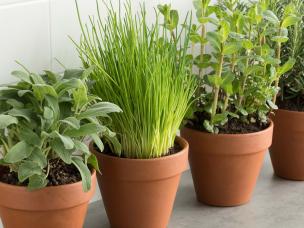
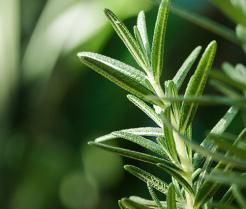
- Herbs such as parsley, basil, coriander and mint can be planted now – it can be a good idea to plant in pots over Summer, where they can be moved out of the sun and watered frequently if necessary.
- Staggering the plantings over many weeks will provide continuous cropping throughout summer. Check your local garden centre to see what other veggies are on offer.
The following vegetables can all be planted in January:
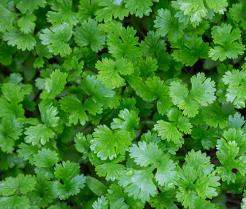
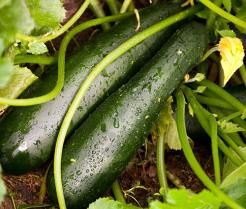
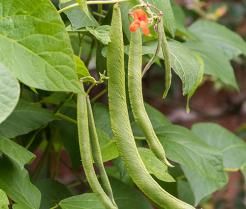
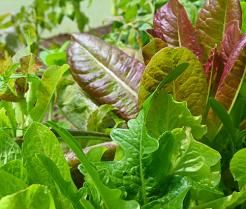
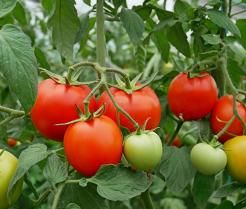
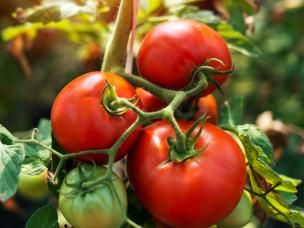
Basil, Beetroot, Beans, Carrot, Celery, Coriander, Courgette, Cucumber, Lettuce, Mesclun, Parsley, Radish, Silverbeet, Spring onions, Sweetcorn, Tomatoes.


Growing vegetables in January
Alongside planting and harvesting your veggies, there’s plenty of maintenance to be done in the vegetable patch at this time of year. Make sure you’re watering your crops regularly – especially the container-grown plants – and weeding them when they need it. Weed around the plants carefully to avoid damaging shallow roots.
- Fortnightly applications of an all purpose fertiliser will keep your garden healthy and growing well.
- Check the ties on tomatoes and other veggies to ensure they are not too tight.
- Make sure your climbing crops like peas and beans are growing up their supports and not smothering other crops close by.
- Hand pull or hoe out weeds that compete for nutrients and moisture and may also harbour pests that could attack your crops.
- Water early in the day direct on to the soil – avoid wetting leaves because this could encourage diseases.
- Bird netting over the entire veggie patch will keep birds and other animals out. Make sure the mesh size is less than 5mm to prevent birds or animals being caught in it.
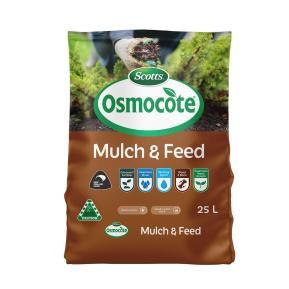
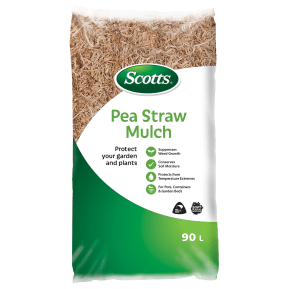
- If the mulch on garden beds has compacted or is starting to break down, top it up with fresh material to a total depth of about 100mm. Pea straw and controlled release mulch will keep the soil cool, moist and weed-free.
- Finally, check for cabbage white eggs under brassica leaves and remove any you find.
What vegetables to harvest in January
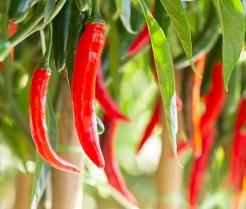
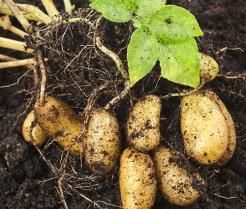
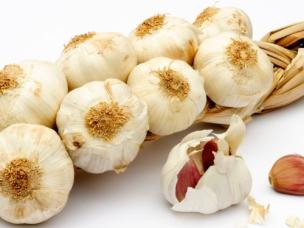
There should be plenty to harvest from the veggie garden now, including basil, beetroot, beans, broccoli, cabbage, capsicum, carrot, celery, chilli, coriander, courgette, cucumber, eggplant, leek, lettuce, mesclun, parsley, parsnip, potatoes, pumpkin and squash, radish, rocket, silverbeet, spring onion, sweetcorn and tomatoes.
Pick early in the day before the sun becomes too intense and give them a quick rinse in cold water before eating.

Fruit
If you’re wondering what fruit to plant in January, then a good rule of thumb is that most soft fruits that come into harvest in January can also be sown in January. Speaking of harvests, you’ll likely find yourself bringing in quite a large one this month, so make sure you brush up on your cheesecake and crumble recipes!
What fruit to plant in January
The fruit most amenable to being planted in January also happens to be the fruit that is often ripe for the harvest in January. So, anything you plant now, you can expect to see bear fruit in about a year’s time.
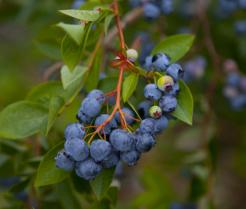
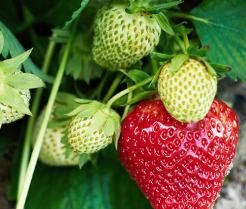
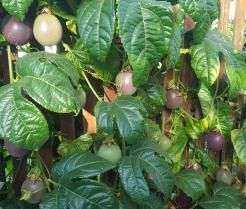
Throughout January you can plant Strawberry, Blueberry & Passionfruit.
Growing fruit in January
- January tends to be a warm, dry month, so you may find that your plants and trees need a little extra care.
- Never put diseased fruits (or plants) in the compost bin – wrap them in newspaper and place in the household rubbish bin so they’re removed from the property.
- Peg down runners from strawberry plants to produce new plants for next year. If you don’t need new strawberry plants, cut the runners off.
- When summer-fruiting raspberries have finished cropping, cut out the old fruiting canes to ground level.
What fruit to harvest in January
- Stone fruits like apricots, peaches, nectarines and plums should all be ready to harvest this month, depending on the varieties being grown.
- Pick ripe fruits early in the day, before they heat up. Leave those still very firm to the touch on the trees until they are fully ripe. If you find any rotting fruits, pick and discard them immediately, before they release fungal spores.
- Strawberries, raspberries, blackberries and other berries will be plentiful this month. Enjoy them while they last because some have quite short seasons.
- Passionfruit will also be ripening now.
When it comes to expanding your outdoor plant collection, there’s not a whole lot to do at this time of year. Continue regularly trimming evergreen trees and shrubs to keep them neat, particularly those being trained as topiary, mop-tops or other geometric shapes.
Flowers and Bulbs
Perennials, annuals and summer-flowering bulbs are all in full bloom this month, so take some time to sit and enjoy the results of all your hard work in the garden. If you’re wanting to pick up your tools, there’s plenty of pruning to keep on top of, and your flower beds may need a little helping hand during any hot dry spells.
What flowers and bulbs to plant in January
Once you’ve taken some time to admire your colourful summer display, there are a few flowers to sow and bulbs to plant to make sure your garden keeps on looking great throughout the year.
The following flowers and bulbs can be planted in January:
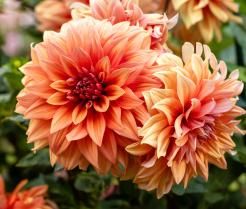
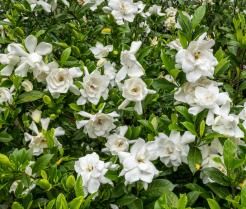
Lavender, Gerbera, Fuchsia, Dianthus, Delphinium, Daisy, Viola, Pansy, Chrysanthemum, Sunflowers, Nemesia, Marigold, Arctotis, Gaillardia, Cosmos, Alyssum, Verbena, Verbascum, Echinacea, Dahlia, Calendula, Impatiens, Petunia, Gardenia, Japanese anemones.
Advanced colour or bloomer pots or shrubby plants with trailing stems look terrific in large tubs and hanging baskets. Petunia, Calibrachoa, Impatiens, Geranium, Fuchsia or Portulaca are all good options.

Growing flowers in January
- Any spring flowering bulbs still in the soil should be lifted now. Leave them to dry off for a day or so before brushing loose soil off them, then store in a cool, airy and dry place until it’s time to plant again in autumn.
- Some flowering plants may need dead-heading now to keep them neat and encourage more flowers. Roses appreciate having faded flowers trimmed off. They will produce new shoots that will produce a second flush of flowers in late summer and autumn.
- January tends to be one of the drier months, so it might be a good opportunity to add some mulch. This helps to lock in the moisture but can also suppress weed growth.
Indoor plants January
- Water indoor plants when the top 5cm or soil of potting mix feels dry to the touch. Allow excess water to drain freely from the base of the pot. Don’t leave pots standing in saucers of water.
- Keep the air around indoor plants humid by regularly misting plants with a water atomiser.
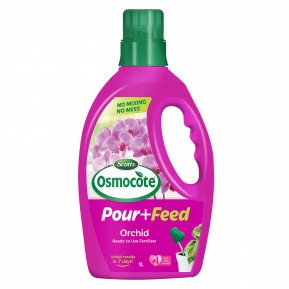
- Feed fortnightly with ready to use Scotts Osmocote® Pour+Feed Indoor Plants Liquid Fertiliser – no mixing required. There are also Pour+Feed products for orchids and cacti.
- When you come home from holidays, give all your indoor plants a good drink before returning them to their usual positions.

January lawn care
- While regular mowing will keep existing lawns looking neat, avoid cutting the grass when extreme temperatures are forecast or when heavy rain is predicted. The longer the grass, the better insulated the roots and soil will be and the risk of soil erosion will be minimised.
- Make sure the lawn is well watered at least once a week, if permitted by local water authorities. The earlier in the day you water, the less risk there is of the sun burning the grass through moisture droplets.