October Gardening: Your Monthly Garden Guide
Warm, balmy days…
Longer, warmer days mean plenty of time outdoors in the garden. Mid spring is the perfect planting time – the soil is warm, temperatures are not too high and there’s often good rainfall to encourage good plant growth.
What to plant in October and other October gardening tips
October is 'planting month'! Conditions are optimal for everything from seeds and seedlings of flowers and veggies through to lawn care, evergreen trees and shrubs and potted deciduous plants in full leaf. Garden centres will be bursting with stock now, so plan a visit this weekend. Whether you want to know what fruit and veg to plant in October or you’re looking for some advice on pruning your plants and flowers, simply choose a category below from our essential October gardening guide.
Whether you have a veggie patch or you’re busy growing lots of fruit and berries for those tasty fruit salads, there are so many fruit and veggies to grow and harvest in October. The warmer weather will bring renewed growth and, with it, potential pests, so it’s a good idea to give your garden some TLC.
Vegetables
When it comes to tending your veggie patch, October may be the month you’ve been waiting for. It’s also the time of year when a lot of your leafy green vegetables will be coming into season and ripe for the harvest. So, make sure your tools are all sharpened and cleaned before you jump in because they’re going to get a lot of use this month!
What vegetables to plant in October
It’s full-steam ahead in the veggie patch now, no matter where you live. Why not plant a variety of different types to give your patch the best chance of success over the coming months.
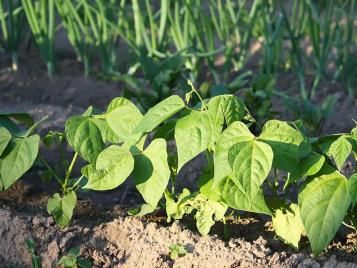
- Prepare the soil by hoeing to remove lumps and weeds, then rake level. Water well a few days before sowing or planting. Keep sowing and planting all the salad favourites as well as beetroot, beans, peas, and Asian greens. Tomato seedlings may be transplanted this month too!
- Some of your more tender seedlings may need hardening off before you plant them out, so simply place them outdoors during the day and move them back inside at night. Do this for between 7-10 days before planting them out permanently.
The following vegetables can all be planted in October:
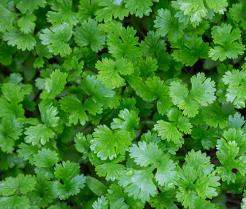
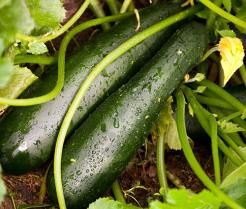
Asparagus, Basil, Beetroot, Bok choi, Beans, Broccoli, Cabbage, Capsicum, Carrot, Celery, Chilli, Coriander, Courgette, Cucumber, Eggplant, Leek, Lettuce, Mesclun, Parsley, Parsnip, Potatoes, Pumpkin and squash, Radish, Rhubarb, Rocket, Silverbeet, Spinach, Sweetcorn, Tomatoes.







Growing vegetables in October
- Try to thin out rows of seedlings where possible and as soon as they are large enough to be handled.
- Hand pull or hoe out weeds as they appear – they compete for nutrients and moisture and may also harbour pests that could attack your crops.
- Pea plants will be growing rapidly at this time of year, so make sure you support them with stakes, mesh, green support or wire netting.
- Keep on the lookout for slugs and snails, they can be active whenever there are young plants around – Quash Slug & Snail Killer will protect your plants and keep your pets safe.
- After all of that, if you still have the energy, it’s time to start looking forward to Summer and preparing your runner beans for planting.
What vegetables to harvest in October
Asparagus may still be producing new spears now, but don’t harvest past the first week or so of the month. After that, allow spears to grow on to become fronds, which will help build up the crowns for next year’s crop.
Rhubarb should be growing well enough now for a first harvest. Pull and twist stems to pick – don’t cut them. Trim off the bases and leaves, which can be composted but not fed to animals or poultry because they are toxic.
Fruit
There are very few fruits that are in season in October so you’re unlikely to find yourself gathering much of a harvest this month. It is a good opportunity, however, to get on top of lots of maintenance, and there are even a few berries and other fruits to plant in October.
What fruit to plant in October
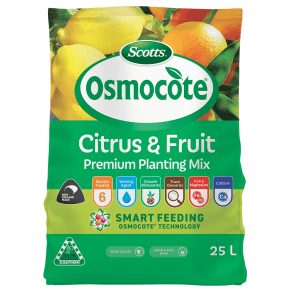
Evergreen fruiting plants such as passionfruit vines and citrus can planted in warm to tropical areas. In temperate to cool areas, wait until the danger of frosts has passed. The range available may include:
Avocado, Raspberry, Strawberry, Blueberry, Blackberry, Boysenberry, Feijoa, Lemon, Orange, Mandarin, Lime, Passionfruit, Grapes, Tamarillo.






Growing fruit in October
- The last of the spring blossom trees should be pruned now. Prune to encourage new growth that will flower next spring.
- Keep up the regular copper-based fungicide sprays on deciduous fruit trees to combat fungal diseases like brown rot.
Whether your favourites are flowers, plants or shrubs, there are plenty of options when it comes to choosing what to grow in October. It’s a particularly good time of year for bulbs and evergreens but, even if you don’t decide to plant anything new, it’s still a busy time in the garden as the spring weather brings new growth.
Flowers and Bulbs
When thinking about what flowers to plant in October, it’s a good time to start planting summer-flowering bulbs and you might even consider some wildflowers. You’re likely to see a lot of growth among your existing flowerbeds this month, so it’s a good opportunity to carry out some pruning and maintenance to keep them under control and ready to look their best during summer.
What flowers and bulbs to plant in November
It’s time to plan and plant for the festive and holiday seasons. Dame Edna’s favourite flower, the gladiolus, should be planted during October if you want flowers for late December. Corms take about 60 days from planting to peak flowering. Staggered plantings a fortnight apart will ensure continuity of blooms well into January.
The following flowers and bulbs can be planted in October:
Alyssum, Lobelia, Foxgloves, Ageratum, Aster, Chrysanthemum, Calendula, Carnation, Cosmos, Dahlia, Dianthus, Daisy, Fuchsia, Gazania, Geranium, Gerbera, Gladiolus, Honesty, Impatiens, Marigold, Pansy, Viola, Petunia, Nasturtium, Phlox, Poppy, Queen Annes Lace, Salvia, Snapdragon, Statice, Sunflower, Sweet pea, Verbena and wallflower, Calibrachoa, Abutilon, Iris, Hibiscus, Canna, Anemones, Lavender, Lily, Felicia, Arctotis, Penstemon, Delphinium, Dampanula, Scabious, Nemesia, Diascia, Roses, Verbena, Rhododendrons, Daphne, Camellias, Azaleas, Wisteria, Clematis, Bougainvillea, Mandevilla.






Growing flowers in October
- In October, you should deadhead spring-flowering bulbs when the flowers fade, including daffodils and tulips.
- When you deadhead, make sure that only the flowerhead is removed - leave any leaves or foliage to allow your plants to store energy. You can simply pinch the flowers out between your finger and thumb.
- Alternatively, a quick snip with secateurs is always effective. Deadheading your flowers prevents your plants from seeding and encourages them to direct that energy towards producing new flowers, keeping your garden looking vibrant for longer. Once you’ve finished deadheading, it’s important to give the flowers a feed.
- Keep flowering annuals and bulbs growing and flowering well with regular applications of an all purpose fertiliser.

Indoor plants October
Plants inside the home assist in purifying the air as well as lending a touch of greenery to your living areas.
- Natural light is important but don’t stand pots on north or west-facing windowsills where they will be exposed to direct sun through the glass.
- As temperatures warm, make sure to humidify the air by regularly misting plants with a water atomiser.
Wipe leaves occasionally with a damp cloth to keep them clean. - Feed fortnightly with ready to use Scotts Osmocote® Pour+Feed Indoor Plants Liquid Fertiliser – no mixing required. There are also Pour+Feed products for orchids and cacti.

October lawn care
- There’s still time to get a new lawn in before the weather becomes too warm. Instant turf can be laid throughout the month. The key to success with any new lawn from seed or turf is keeping it well watered in the first six to eight weeks, until it is well established and has developed strong roots.
- Regular mowing will keep existing lawns looking neat. Raise the cutting height to leave the grass a little longer and protect the crowns and runners of grasses from the increasing heat of the sun. A longer, thicker sward also helps keep the soil, and roots, cooler.
- During dry spells, water the lawn well at least once a week. Don’t be tempted to lightly sprinkle the grass every day or so – not only does this waste water but it encourages the roots to the surface where they will be exposed to the hot sun.