November Gardening: Your Monthly Garden Guide
It’s almost summer…
The spring garden is at its absolute best now, with trees, shrubs, perennials and seasonal annuals all flowering, fruit trees and vegetables showing the promise of crops to come and the lawn lush and green.
What to plant in November and other November gardening tips
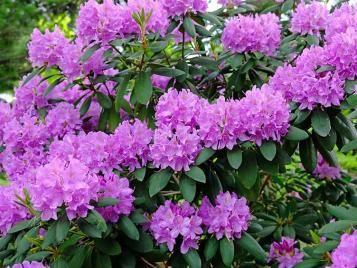
There’s still work to be done to prepare your garden for the long and most likely hot summer ahead. Feeding and watering are paramount this month. In cooler areas, rhododendrons and azaleas are at their very best. Whatever your gardening plans this month – whether you’re growing your own fruit and veg, or planting flowers for a spectacular summer display – choose a category below for our essential November gardening tips.
November is a beautiful time of year to be enjoying your garden – there are plenty of excuses to get out in the spring sunshine. There will plenty to harvest in time for those refreshing summer salads.
Vegetables
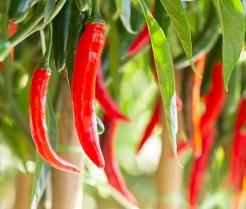
With the weather warming up it's the perfect time to plant those heat loving crops including capsicums and chillies!
What vegetables to plant in November
It's all about planting for summer veggies this month. Staggered plantings over four to six weeks will ensure you have continuity of supply in mid-Summer. Plant into well prepared and fertilised soil. Add a long-term or slow release fertiliser and mix through the soil then moisten well a few days before planting.
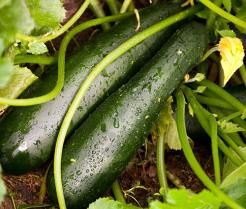
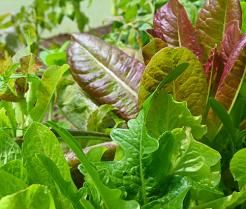
- Keep planting all the leafy salad favourites, especially the “pick and come again” lettuces, as well as courgettes, chillies, capsicums, tomatoes and sweetcorn.
- If space is at a premium, choose dwarf or bush varieties rather than the traditional large types that need lots of space and support.
- Some of your more tender seedlings November need hardening off before you plant them out, so simply place them outdoors during the day and move them back inside at night. Do this for between 7-10 days before planting them out permanently.
The following vegetables can all be planted in November:
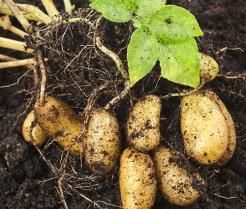
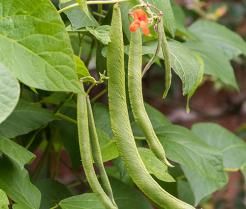
Asparagus, Basil, Beetroot, Beans, Broccoli, Cabbage, Capsicum, Carrot, Celery, Chilli, Coriander, Courgette, Cucumber, Eggplant, Kumara, Leek, Lettuce, Mesclun, Parsley, Parsnip, Potatoes, Pumpkin and squash, Radish, Rocket, Silverbeet, Spinach, Spring onions, Sweetcorn, Tomatoes.
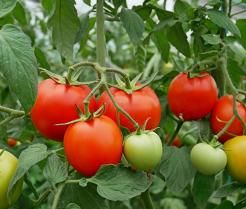
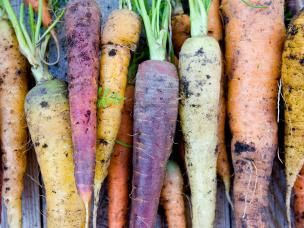

Growing vegetables in November
- Once you’ve decided what vegetables to plant in November and harvested any veg that have come into season, you can start thinking about the maintenance of your existing plants, and there’s plenty to do.
- As the weather warms up, weeds start growing and garden pests like slugs and snails become more active. Watch out for early signs of pests and disease, and tackle them before they get out of hand but remember that not all garden visitors are harmful. Insects such as ladybirds help tackle garden pests, and you can encourage them into your garden by providing appropriate shelter and pollen-rich blooms.
- Mound up your potatoes, drawing soil up around the lower part of the plant to exclude light from the developing tubers, which become green if exposed to light.
- Hammer in stakes for tomatoes and put in supporting tripods, trellises or string lines for climbing crops like peas and beans.
- Hand pull or hoe out weeds as they appear – they compete for nutrients and moisture and November also harbour pests that could attack your crops.
What vegetables to harvest in November
November is a great time for reaping the rewards of your vegetable garden. Just like in October, you’ll continue to see all the hard work paying off, with the following vegetables ready to harvest in November:
Asparagus, bok choi, beetroot, basil, broccoli, cauliflower, cabbage, carrots, courgettes, coriander, cucumber, kale, lettuce, leeks, mesclun, parsley, onions, peas, parsnip, rocket, radish, spinach, onion, spring onions and any tomatoes that may be ready.
Fruit
If you’re wondering what fruit to plant in November then the answer is berries, berries, berries! Otherwise, November is all about keeping your fruit trees healthy and free of pests which can be rife at this time of year.
What fruit to plant in November
Any of the following will take particularly well to your garden in November:
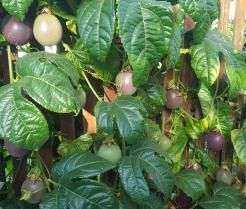
Raspberry, Strawberry, Blueberry, Blackberry, Boysenberry, Feijoa, Lemon, Orange, Mandarin, Lime, Passionfruit, Grapes, Tamarillo.
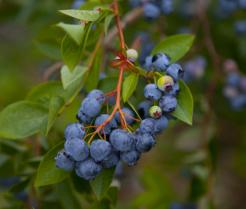

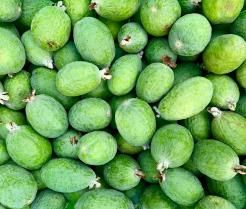
Growing fruit in November
- November is all about protecting your plants from those pesky garden pests, as the fruit will be just starting to appear on trees and bushes. Strawberries can be protected from birds with netting.
- While protecting your fruit from unwanted pests, it’s important to ensure that pollinators are still able to get to the plants. So, if you do use netting, make sure it’s not too fine. Birds out, bees in!
- Continue fungicide sprays on fruit trees to combat fungal diseases like brown rot.
What fruit to harvest in November
The last of your citrus crops will be ready for harvesting and strawberries and other berries should be fruiting now too.



November will herald a vibrant burst of new colour in the garden as all your hard work throughout the year comes into bloom. You may find that this new lease of life will require some maintenance, so expect to spend some time pruning your garden and protecting it from pests that are drawn to the vibrant display.
Evergreen shrubs can be lightly trimmed to keep them neat, particularly those being trained as topiary, mop-tops or other geometric shapes. Regular clipping through the growing season will maintain their forms.
Flowers and Bulbs
What flowers and bulbs to plant in November
Continue planting gladiolus corms every few weeks throughout November.
Dahlia tubers should also be planted this month – divide clumps and plant tubers singly, making sure each has a growth eye. Hammer in stakes about 450-600mm apart and plant one tuber at the base of each to provide support as the plants grow. Green cuttings taken a couple of months ago should have good root systems by now and can be planted out.
The following flowers and bulbs can be planted in November:
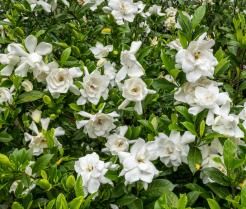
Alyssum, Gazania, Lobelia, Fuchsia, Foxgloves, Ageratum, Aster, Chrysanthemum, Poppy, Carnation, Cosmos, Dahlia, Dianthus, Lisianthus, Everlasting daisy, Gazania, Geranium, Gerbera, Godetia, Gypsophila, Hydrangea, Honesty, Impatiens, Marigold, Petunia, Nasturtium, Phlox, Queen Annes Lace, Salvia, Snapdragon, Statice, Sunflower, Sweet pea, Verbena, Wallflower



Growing flowers in November
- Spring bulbs will be dying now – mark their locations with small stakes so you know where to find them when it comes time to dig them out.
- If you have sweet peas, tie them into supports as they grow to prevent them from touching the ground.
- Remember to water all flowers regularly during any early summer dry spells. The best time to water them is early in the morning, or later in the evening so that they have time to absorb the water before the sun dries the soil out. You should also feed any container plans with a liquid feed every fortnight.
- It's time to repot orchids that have just finished flowering. Only those that have outgrown their existing pots or are not growing well should be removed from their old pots. Shake off the old potting mix or bark, trim any obviously dead or diseased roots and pot up, using fresh bark or mix, into a pot that comfortably holds the root ball.
- Roses and other shrubs are susceptible to a range of fungal diseases like black spot and powdery mildew. Use copper-based fungicide to control them.
- Finally, it’s not just your flowers that are busy growing in November – unfortunately the weeds will be thriving, too. Keep on top of them and you will have less to do in summer.
Indoor plants November
- It’s time to repot indoor plants that have outgrown their pots or are simply in need of some TLC. Use Scotts Osmocote® Indoor Plant Mix.
- Keep the air around indoor plants humid by regularly misting plants with a water atomiser.
- Wipe leaves occasionally with a damp cloth to keep them clean.
- Feed fortnightly with ready to use Scotts Osmocote® Pour+Feed Indoor Plants Liquid Fertiliser – no mixing required. There are also Pour+Feed products for orchids and cacti.


November lawn care
Regular mowing will keep existing lawns looking neat. Raise the cutting height to leave the grass a little longer and protect the crowns and runners of grasses from the increasing heat of the sun. A longer, thicker sward also helps keep the soil, and roots, cooler. Leaving the clippings on the lawn will also help, although it November look a little messy.
During dry spells, water the lawn well at least once a week (if permitted by local water authorities). Light sprinkles on the grass every day or so not only waste water but encourage the roots to the surface.