February Gardening: Your Monthly Garden Guide
February is the heat of summer and one of the main harvesting months of the year for fruit and vegetable crops. The garden is still full of colour, with brilliant flowers and some last summer blooms can still be planted for a dash of colour in the flower garden.
Watering becomes a critical activity as we give plants a helping hand in the heat, the vegetable patch is cropping heavily, and the lawn is in full use as a place to enjoy the sun.
It’s a good time to add thick layers of mulch to garden beds to conserve soil moisture, reduce weeds and add nutrients back into the soil and tidy up the garden by removing spent flowers and flower spikes from perennials and annuals.
What to plant in February and other February gardening tips
Watering, mulching and feeding still take centre stage this month and there's also the prospect of new additions to the garden over coming weeks. A good way to keep up with what you can plant in February is to visit your local garden centre and check out what’s in stock and looking good. Select a category below for more tips on how to look after your fruit, veggies, plants or lawn this month.
Veggie garden or fruit patch, both will be producing healthy harvests at this time of year. With your crops flourishing, you’ll may find that there's a bit of maintenance to take care of. Make sure your gardening tools are sharp!
Vegetables
Whether you’re looking to pick a bountiful harvest this month or have been asking yourself, ‘what vegetables can I plant in February?’ you’ll be pleased to learn that there are plenty of options.
What vegetables to plant in February
February is the perfect time to think about quick-growing veggies that can be picked over the next few months.
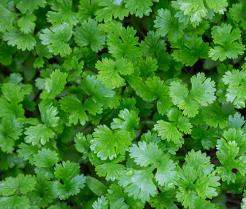
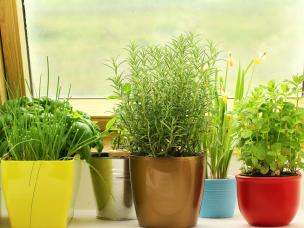
- Herbs such as parsley, basil, coriander and mint can be planted now – it can be a good idea to plant in pots over Summer, where they can be moved out of the sun and watered frequently if necessary.
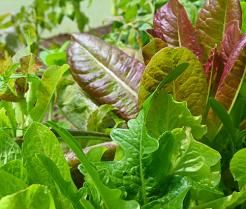
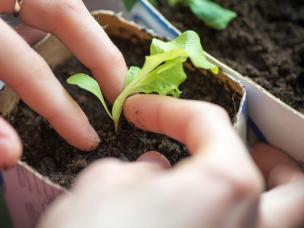
- Seedlings of salad and Asian greens may still be planted now into well prepared, moist soil. Water in with a half strength solution of liquid fertiliser.
- Choose wisely when vegetable planting in February - it's a little too early to sow seeds or plant seedlings of winter crops. Check your local garden centre to see what other veggies are on offer.
The following vegetables can all be planted in February:
Beetroot, Broccoli, Beans, Basil, Brussels sprouts, Coriander, Carrot, Lettuce, Leek, Onions, Mesclun, Parsley, Rhubarb, Radish, Rocket, Spinach, Silverbeet, Spring Onions.

Growing vegetables in February
Between deciding what veggies to plant in February and bringing in a bountiful harvest, you may get to enjoy a lot of time in your garden this month. So, it’s a good opportunity to carry out some maintenance and give your plants a little extra care to help them get through one of the hottest, driest months of the year.
Here are some jobs for the vegetable patch in February:
- Check the ties on tomatoes and other veggies to make sure they are not too tight.
- Hand pull or hoe out weeds that compete for nutrients and moisture and may also harbour pests that could attack your crops.
- Continue watering crops early in the day direct on to the soil – avoid wetting leaves because this could encourage diseases.
- Bird netting over the entire veggie patch will keep birds and possums out, ensuring everything that’s ripe is for you, not the wildlife. Make sure the mesh size is less than 5mm to prevent birds or animals catching their claws in it.
- Watch for powdery mildew on plants like pumpkins and zucchinis, especially when nights are warm and humid. You can use a copper-based fungicide to control them.
- Newly planted seedlings may be targeted by snails and slugs. Protect them with Scotts Quash Slug & Snail Killer.
- As crops finish, pull out plants and put them into the compost bin if they are disease-free. Dig over empty rows to break up the soil and add some compost in preparation for autumn planting.


What vegetables to harvest in February
The veggie garden will be at its most prolific now, with all the summer crops ripening or ready to harvest.
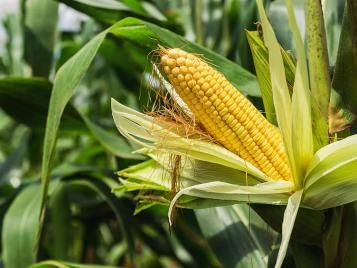
- Tomatoes, climbing and bush beans, peas including sugar snap varieties, courgettes, cucumbers, radishes, Asian greens, lettuce, sweet corn, capsicum, chillies, eggplant and other crops will all taste great when picked and eaten on the same day.
- Remember to pick your courgettes when they’re roughly 10cm long, and before they have the chance to turn into marrows. Continue to water them well.
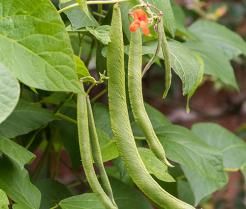
- Rather than doing one large harvest, continue to harvest your French and runner beans regularly as it will help the plants produce more pods.
Fruit
This month you can take a well-earned break and enjoy the fruits of your labour, as there’s not much you can plant in February.
What fruit to plant in February
While there aren’t many fruits that you can plant in February, strawberries are an exception and will overwinter to produce larger crops in the summer. Blueberries can also be planted this month. In warmer regions passionfruit can still be planted too.




What fruit to harvest in February
The stone fruit and berry seasons continue, with more varieties ripening their crops this month.
- Pick fruit early in the day, while it’s still cool, leaving that still firm to the touch on the trees until fully ripe.
- Some of the very early cropping varieties of apples and pears may be ripe enough to pick from mid-February onwards
- Passionfruit will also mature and falling to the ground now, and there may also be good crops of lemons and oranges in some areas.
- Tropical fruits and citrus are still cropping in warmer areas, and melons are still in season now.
- Pick up and dispose of any fruit on the ground under fruit trees – they may be diseased or harbouring insect pests. Discard in the household rubbish – DO NOT put them in the compost bin!
- Water indoor plants when the top 5cm or soil of potting mix feels dry to the touch. Allow excess water to drain freely from the base of the pot. Don’t leave pots standing in saucers of water.
- Keep the air around indoor plants humid by regularly misting plants with a water atomiser.
-
Feed fortnightly with ready to use Osmocote Pour+Feed Indoor Plants – no mixing required. There are also Pour+Feed products for orchids and cacti.
-
If indoor plants need repotting, use Osmocote Indoor Plant Mix.