July Gardening: Your Monthly Garden Guide
There’s a chill in the air…
It might be the middle of winter according to the calendar, but that doesn’t mean the garden has to be drab and dreary. There are many crops that can still be planted in winter such as brassicas, garlic, onions and leafy greens. It's also time to plant new season fruit trees and strawberries! Camellias also burst into bloom this month, with blooms from purest white through to deep crimson. Check out all the opportunities for planting in July in New Zealand to enjoy a range of blooms and harvests year-round.
What to plant in July and other July gardening tips
When you think about planting fruit and veggies, July in New Zealand might not seem like prime gardening time, but you’d be surprised by how much you can get underway. It’s the perfect moment to plan ahead - your spring and early-summer harvests start now. So picture what you want on your table in a few months, choose your favourites, and get those seedlings or bulbs tucked into the winter soil. Choose a category below for lots of gardening ideas and advice.
Bare-root roses, fruit trees and deciduous ornamentals are all in plentiful supply now in garden retailers. They are best planted while completely dormant so ideally should be in the ground before the end of the month. In warmer regions, evergreen trees, shrubs and climbers can continue to be planted. Check out what’s in stock in your garden centre.
Vegetables
The groundwork for those crisp spring and early-summer salads starts in July. Whatever your plans, there are plenty of vegetables you can get started now.
What vegetables to plant in July
Keep planting Winter and Spring vegetables such as:
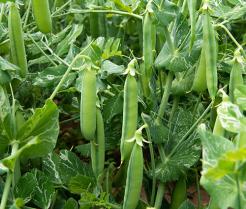
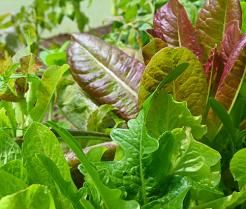
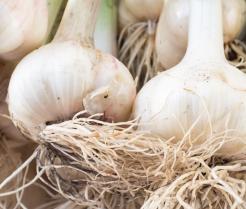
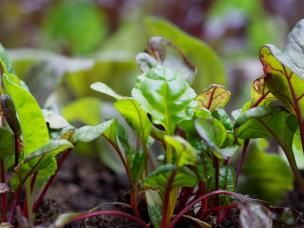
Beetroot, Garlic, Bok Choi, Mesclun, Onion, Parsnip, Radish, Lettuce and Peas.
It’s also time to start thinking about chitting your potatoes, best done at least a month before you want to plant them. Place them in a light, well-ventilated space out of direct sunlight, and let them sit until their sprouts reach around 2–4 cm long. Most will start showing signs of life within the month, but you might spot a few eager ones popping up early, so it pays to keep an eye on them.
Growing vegetables in July
- Keep veggie crops healthy and growing well with applications of fertiliser for vegetables and herbs.
- Water deeply at least once a week if the weather is dry. Keep checking those potential dry spots under the eaves or in other protected spots.
- Hand pull or hoe out weeds as they appear – they compete for nutrients and moisture and may also harbour pests that could attack your crops.
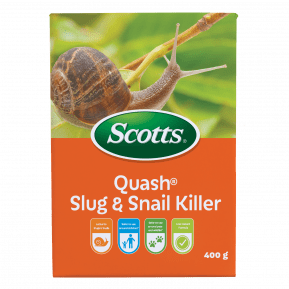
- Slugs and snails can be active over winter – Scotts Quash Slug & Snail Killer will protect your plants and keep your pets safe.
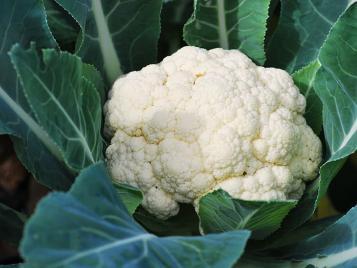
- Watch for the caterpillars of the White Cabbage Butterfly on cabbage, cauliflower, broccoli and other brassicas. Pyrethrum will assist or try a cabbage dust.
- When cabbages and cauliflowers have been harvested, fork out the plants and put them into the compost bin if they are disease-free.
- As beds become empty, add a handful of lime per square metre to the soil and allow the weather to dissipate it into the soil.
- It’s not too late to sow a “green manure” crop of oats, peas and field lupins in empty vegetable beds; dig it in to add nitrogen to the soil when they're around 30-40cm.

What vegetables to harvest in July
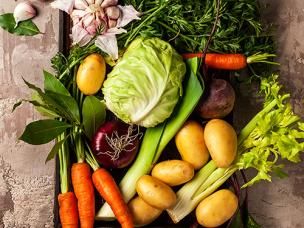
Wrap up warm and head out to your vegetable bed to pick some winter vegetables for soups and stews. Most of the winter veggies will be ready to harvest during the month, including cabbage, kale, bok choi, leek, peas, onions, radish and leafy greens like lettuce, spinach, rocket, mesclun and silverbeet.
Fruit
What fruit to plant in July
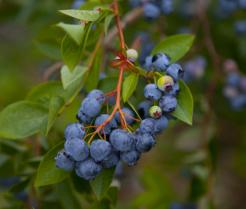
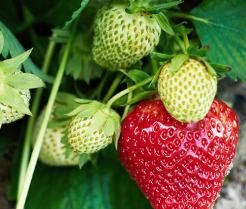
Planting of deciduous fruit and nut trees should be completed by the end of July – while they are fully dormant and before their roots and shoots start growing. It's also a good time to start planting strawberries! Strawberries planted in winter can produce a larger crop over the season.
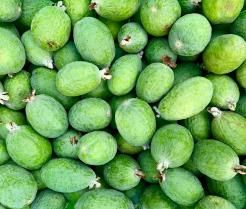
Strawberry, Raspberry, Blackberry, Blueberry, Cranberry, Apple, Plum, Peach, Pear, Feijoa.
Growing fruit in July
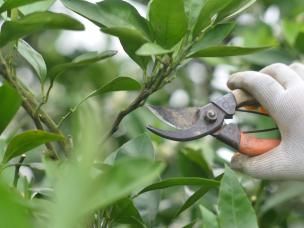
Mid-winter is the best time to prune deciduous trees and shrubs including fruiting trees. DO NOT prune blossom trees (Prunus, etc) or spring flowering shrubs – wait until after they have flowered. If you prune now, you will cut off all the flowering buds!
After pruning, apply a horticultural oil as directed on label to kill over-wintering insect eggs.

What fruit to harvest in July
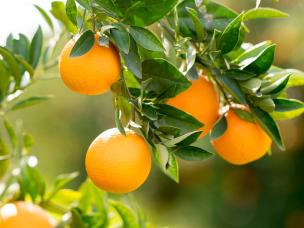
Look for citrus fruits such as grapefruit, mandarins, tangelos, lemon, orange, lime, tamarillo and feijoa.
Cut stems from some trees and shrubs make excellent hardwood cuttings. Cut the base just below a node (stem joint) and the top just above a node, dip the base of each into rooting hormone or honey and set into pots of Scotts Osmocote Seed Raising & Cutting Mix. Roots should form in about six to eight weeks.
What flowers and bulbs to plant in July
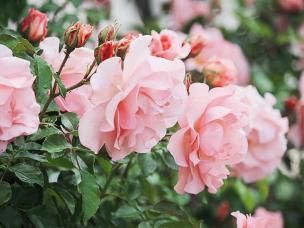
Bare-root roses are still available and, like fruit trees, should be in the ground before the end of the month. Make sure they are not planted deeper than they were in the nursery bed. Don’t be tempted to add any fertiliser until there are obvious signs of bud swell. Some further pruning after planting is recommended, despite having already been cut back.
Bloomer pots of pansies, violas, bellis, calendulas, cinerarias, cornflowers, polyanthus and primulas can be grown on in larger pots and bowls in cool to temperate areas. In warm temperate areas bedding begonias, marigolds, impatiens, polyanthus, snapdragons and sweet peas will all do well.
Plant annual seedlings in warmer climates only:
Roses, Lily, Cyclamen, Daphne, Gladiolus, Forget-me-nots, Polyanthus, Calendula, Poppy, Viola, Flowering kale, Pansy, Sweet William, Snapgragon, Allysum.

Growing flowers in July
- Keep flowering annuals and bulbs growing well with regular applications of an all purpose fertiliser.
- Mid-winter is the best time to prune deciduous trees and shrubs including roses and hydrangeas.. DO NOT prune blossom trees (Prunus, etc) or spring flowering shrubs – wait until after they have flowered. If you prune now, you will cut off all the flowering buds!
- After pruning, apply a horticultural oil as directed on label to kill over-wintering insect eggs.
- You can also take this opportunity to deadhead any winter bedding (such as violas) to promote a second flush of flowers in early spring. You should also continue deadheading your winter-flowering pansies to ensure they flower during mild weather.
- Old hellebore foliage can be removed to stop the spread of hellebore black spot and make the flowers easier to see.
Indoor plants July
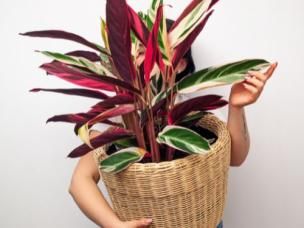
Plants inside the home assist in purifying the air as well as lending a touch of greenery to your living areas.
- Keep plants out of draughts and away from heaters and air conditioners that can dry the atmosphere.
- Place a saucer or bowl of water near your plants to humidify the air.
- Wipe leaves occasionally with a damp cloth to keep them clean.
- Feed every few weeks with ready to use Osmocote Pour+Feed Indoor Plants – no mixing required.



July lawn care
Winter is a great time to carry out some running repairs on your lawn mower.
- If it’s a 4-stroke engine, change the oil.
- Check the spark plug and replace if necessary.
- Empty the petrol tank and refill with fresh fuel – make sure it is the correct fuel mix for the type of engine.
- Change or sharpen the blades and check they’re done up tight.
- Clean the “under-carriage”, scraping out any build-up of grass or mud.
Even in a southern winter, the lawn is still growing quite well.
- Check how well your lawn is draining after heavy rain. Install poly-piping if necessary.
- Control moss incursions with a solution of iron sulfate (30 grams in 4.5L of water) applied as a spray or with the watering will help control it. Re-apply if necessary.
- If you didn’t lime the lawn in June, do it now. A handful of garden lime per square metre is recommended.