

Uncertain when the best time to sow grass seed is? Read on to find out!
As the summer months approach and retailers begin filling their aisles with garden furniture, we often find ourselves fantasising about that perfect green lawn to play host to summer parties and lazy afternoons. Many of us will kick ourselves for not having laid the groundwork the previous autumn but the good news is that the key to successfully sowing grass seed is less about timing and more about understanding the conditions in which different seeds thrive.
Author

Similarly, if you live somewhere that experiences consistently heavy rainfall – such as North Wales or Cumbria – summer may not be such an inopportune time to sow grass seed. It all depends on the conditions and a few degrees can make a big difference, so make sure you’re choosing the appropriate grass seed for your garden environment.
Many gardeners focus on the date when sowing grass seed, but the real secret is creating the right growing conditions. Grass seed germinates best when soil temperatures are consistently warm, moisture levels are reliable, and young seedlings aren't under stress from drought or frost. If you get those conditions right, you'll give your lawn the best possible start, regardless of whether you're sowing in spring or autumn.
Stephen Olive, Lawn Care Expert & Research Lead

Choosing which grass seed to use
Once you’re ready to sow your lawn, it’s time to choose which grass seed to use. You will need to consider the time of year you’re planting your grass, the conditions and maintenance plans, and how you intend to use your lawn.
Time of year
Most grass types will thrive if you seed them in autumn or spring but if you’re seeding grass in summer, you may need to choose your seed a little more carefully. Perennial ryegrass is a highly tolerant, fast germinator and is therefore ideal for challenging conditions. A shaded garden can offer more favourable circumstances for summer seeding, in which case shady lawn seed is ideal as it also thrives in drier conditions, which we are more likely to experience in summer.
Conditions and maintenance
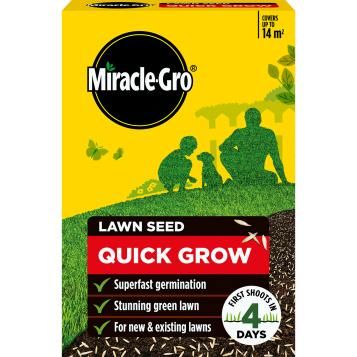
If you’re sowing a new lawn for the first time, we recommend using a fast-growing seed that will germinate in just a few days to give you full coverage – make sure you pick a shady lawn seed if you have a sheltered garden. If part of your garden is shaded, you can still use a shady lawn seed mix across the whole lawn. It will perform well in both sunny and shaded areas, helping to create a more consistent lawn throughout your garden. If you're creating a family lawn that needs to withstand regular use, we recommend choosing a hard-wearing multipurpose grass seed blend. Designed for high-traffic areas, these grass varieties establish quickly and help create a durable, resilient lawn that can cope with children, pets and everyday garden activities while maintaining a lush green appearance.
Lawn use
Luxury lawn seed comprises a mixture of sports grade seed and is ideal for the types of luscious, ornamental lawns that you might be used to seeing in suburban television dramas. These seed mixes generally do not contain ryegrass, which is a resilient, fast grower and doesn’t require a large amount of maintenance. As such, while a luxury lawn seed looks fantastic and is unappealing to most birds, it can require much more care to maintain and isn’t as resilient to heavy footfall.
If, on the other hand, you’re looking for a more hard-wearing seed that will provide a lawn that the kids will love playing on and your pets can enjoy, the multi-purpose lawn seed is specially designed to cope with lots of activity.
Preparing your lawn for grass seed
_0.jpg)
To give your seed the best chance to grow evenly, first you need to prep your lawn. We recommend killing off the old lawn before any cultivation. Just skimming off the old grass can leave behind weed roots which will grow again to re-infest the new lawn. Clear all debris – such as stones or roots – off the lawn and rake the soil flat to give you an even surface to work with. You can do this by forking over the surface with a rake or level.
Next, firm the soil by walking over it. Repeat the process and, if you’re working with sandy soil, make sure you add lawn soil to help hold moisture.
It’s a good idea to rake in a small amount of general plant feed a few days before planting your lawn, especially if you are sowing grass seed in summer, or in otherwise unfavourable conditions. Growmore multi purpose plant food is ideal and will help prepare the soil and give your grass the best chance of growing.
Sowing the grass seed
Take some time to read the instructions on your seed packets as different mixtures have different requirements. The best time to sow grass seed will depend on the specific mixture, so make sure you’ve selected one that works for the time of the year and the conditions in which you plan to sow your lawn.
Once you’ve made your choice, follow these simple steps to establish a healthy lawn with full coverage:
- Divide your lawn into small plots so you can keep track of where you’re working.
- Evenly distribute the seed – a lawn spreader makes this much easier!
- Sow half of the seed mix over the surface in rows going lengthways.
- Sow the remaining half in rows going widthways.
- Rake the whole area to make sure your seed is evenly distributed.
Finished sowing your lawn? Make sure you keep it moist until you’ve got full coverage. Water it regularly and don’t rely on rainfall alone!
Caring for your lawn
_0.jpg)
Watching your lawn grow is one of the most satisfying parts of the process.
The warmer the ground is, the faster the germination process will be, so you can expect to see faster results if sowing seed in summer and autumn than in spring. In general, you should expect it to take between two and three weeks. Try to make sure the ground is disrupted as little as possible during this time.
It can be tempting to try to give your new lawn a helping hand in its first few weeks, but you should refrain from applying any lawn feed during this period. Doing so can damage or even kill the roots of your grass. We advise waiting for between four and six weeks before using an appropriate feed so that you can be confident that your lawn is fully established.
When the new grass is about 7.5cm high cut off the top third with a sharp mower blade. Cutting the grass will encourage it to send out more shoots to thicken up your lawn.
In the first six months, you can tend to any weeds by hand or you can consider using Miracle-Gro Complete Lawn Food Concentrated Liquid, which helps you grow nourished, healthy grass that outcompetes weeds and limits moss growth. You may find that this, along with the winter months, is enough to keep your weeds under control.
However, it’s useful to know how to identify perennial weeds, and understand the impact they can have on your lawn and how to keep them under control. Perennial weeds can be invasive, diverting nutrients from your grass, and will often survive being mown. In this case you can consider using a selective weed control product that targets weeds while leaving the grass healthy.
FAQs
Can you sow grass seed in the summer?
While summer is certainly not the optimum time of year for sowing grass seed, it can be done given the right conditions and provided you are able to keep your growing grass moist, watering it regularly.
To flourish into a beautiful lawn, grass seed requires temperate conditions, moist soil, and as little competition for resources as possible. A particularly wet, mild summer might offer tolerable conditions in which to plant grass but, if you’re expecting a heatwave or long periods of dry weather, you should avoid sowing grass seed in summer.
If you are seeding grass in summer, you will need to make sure that your seed receives water or rainfall at least once a day. We recommend putting down a good mulch cover for moisture retention and using plant feed from the point of sowing to help the seeds get established.
Can I sow grass seed before rain?
Yes, light rain can help keep newly sown seed moist and support germination. However, avoid sowing immediately before heavy rainfall is forecast, as intense rain can wash seed away or cause it to gather unevenly across the lawn.
How long does grass seed take to germinate?
Germination time varies depending on the grass variety, temperature, and moisture levels. Under favourable conditions, many grass seeds begin to germinate within 7 to 21 days. Warmer soil temperatures and consistent moisture generally encourage faster establishment.
What temperature should the soil be for grass seed?
Most grass seed germinates best when soil temperatures are consistently warm. Always check the guidance on your seed packaging, as different seed mixtures may have different minimum germination temperatures.
Should I cover grass seed after sowing?
Lightly raking grass seed into the soil can help improve seed-to-soil contact and reduce the risk of birds eating the seed. Avoid burying seed too deeply, as grass seed needs access to light and warmth to germinate successfully.
Can I walk on newly sown grass seed?
It's best to avoid walking on newly sown areas until the grass has germinated and established. Excessive foot traffic can compact the soil, disturb seedlings, and create patchy growth.
Why is my grass seed not growing?
Poor germination is often caused by unsuitable temperatures, lack of moisture, compacted soil, poor seed-to-soil contact, or seedlings drying out after germination. Check that the area is receiving regular moisture and that environmental conditions are suitable for growth.
How often should I water newly sown grass seed?
Keep the top layer of soil consistently moist until the grass has established. Light, frequent watering is usually more effective than occasional heavy watering, particularly during warm or dry periods.
What's the difference between sowing grass seed in spring and autumn?
Autumn typically offers warm soil and increased natural moisture, making it an ideal time for establishment. Spring can also be successful, but newly germinated grass may require more regular watering and monitoring as temperatures rise.
Can I sow grass seed in a shady garden?
Yes. Some grass seed mixtures are specifically formulated for shaded areas and can perform well where lawns receive limited sunlight. Choose a seed mix designed for shade for the best results.
Is September the best month to sow grass seed?
September is often considered one of the best months for sowing grass seed because soil temperatures remain warm from summer while rainfall typically becomes more reliable. However, the ideal timing can vary depending on local weather conditions and location within the UK.