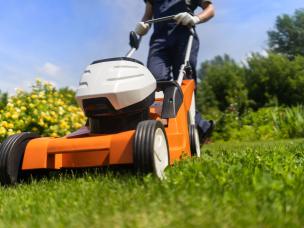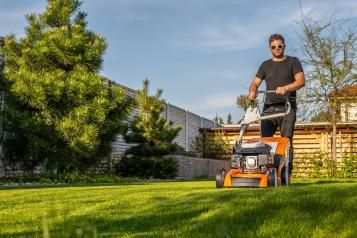

A man mowing a lawn with a lawn mower, showing the difference between overgrown grass and freshly cut grass

How to mow a lawn: top tips for lawn mowing

Our guide to marvellous mowing

A luscious, green lawn is often the centrepiece of your garden, hosting events with family and friends, serving as the children’s playground or simply acting as a striking showpiece. Yet they can be time consuming areas of maintenance, requiring varying levels of care across the year. In this article we’re going to explain how to mow a lawn, covering general grass mowing tips, how often to mow your lawn, and how to get lines in your lawn.

If you’ve already followed our tips for a better lawn and are looking for some simple grass cutting tips and tricks, the advice in this article can help bring out the best in your lawn and keep work to a minimum.

Preparing your lawn for mowing

Choose a dry day to mow, making sure the ground isn’t still damp and that there are no patches of standing water or frost. To reduce the chances of damp grass, it’s best to mow later in the day if possible, so that there’s no remaining dew on the ground – although during warmer spells you should avoid mowing during the hottest part of the day, as this can burn your lawn!

If the rain continues and there are no dry days, you should refrain from mowing your lawn. Wet grass can be slippery and poses a danger when operating a lawn mower – not to mention it can damage your cutting equipment and leave your lawn stressed.

If you’ve already cut your grass in the rain, don’t worry too much but refrain from cutting it again until it’s dry and you can walk across your lawn without getting your shoes getting wet. Just make sure that you remove the cuttings from the lawn, as they can clump together when wet and damage your grass.

Always make sure to remove any obstacles from the lawn as the easiest way to mow a lawn is in straight, slightly overlapping lines. 

How often to mow a lawn

As a general rule, you should mow your lawn as often as you are able while maintaining healthy growth. Cutting your grass regularly encourages thicker growth and the development of fine grasses, eliminates coarse grasses, and deters the flowering and seeding of weeds.

The chart below provides a good indication of how often to mow a lawn across the year, though bear in mind that this is under normal seasonal conditions, and you may need to cut your grass more or less frequently depending on the weather and the health of your lawn. Carefully consider whether you need to cut your lawn in winter – you should only need to do so if the weather is mild and the grass is still growing. It’s generally advisable to avoid cutting your grass in temperatures below 4°C, as this is when frost starts to set in – remember that grass tends to be dormant beneath 10°C, so you certainly won’t need to worry about repeat cuts below this temperature. 

 
Month Recommended Lawn Mowing Frequency
January to February Only if needed
March Every two weeks
April Every 10 days
May to August At least once a week
September to October Every 10 days
November to December Top off if weather is mild

Varying the height

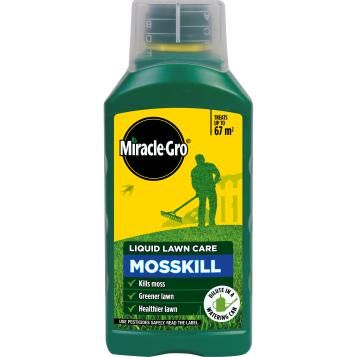
Never give the lawn a close shave. This is sometimes referred to as scalping and can damage the grass, causing patchy growth and encouraging moss (if this happens, you can use a specially designed moss control product to treat the issue). While it can be tempting to give your grass a close shave on an infrequent basis to reduce your workload, you’re much better off giving it a regular trim. We generally advise avoiding trimming your grass any shorter than 1.5cm.

Your lawn should be long enough to remain healthy but short enough to be visually pleasing. Here are some optimum heights for different lawn types. Remember that the golden rule for mowing your lawn is to never cut more than a third of the height of the grass at one time. You should also have the blades of your lawn mower sharpened at least once a year to avoid causing damage to your lawn.

Lawn type Early spring, autumn, periods of drought Late spring and summer
Multi Purpose Lawn 3cm (1.5in) 2.5cm (1.0in)
Ornamental Lawn 2cm (0.75in) 1.5cm (0.5in)


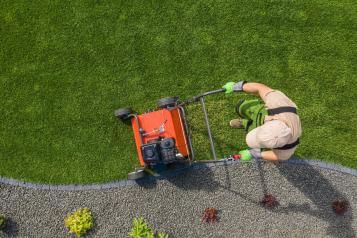
Bird’s eye view of a man cutting the borders of a lawn

How to cut your grass: step by step

In this section, we’ll break down the actual process of mowing your lawn into individual steps, giving you some lawn mowing tips and tricks.

Step 1: Trim the edges

When it comes to grass mowing tips, the golden rule is to start by mowing the edges of your lawn. Trimming around the lawn gives a sharp edge that is very pleasing to the eye.

Alternatively, edging by hand can help give your lawn boundaries extra definition, and doesn’t take nearly as long as you might think! You can buy a half-moon edging iron, which can be used twice a year – at other times you can use long-handled edging shears to maintain a neat, trimmed appearance.

Step 2: Mow in straight lines

Mow around the borders of your garden first and then fill in the middle. Mowing in straight lines is a generally sensible practice because it enables you to clearly see which areas of the lawn you’ve already tackled and reduces the likelihood of you missing a patch. Of course, it also has aesthetic advantages, especially if you’re cultivating an ornamental lawn.

If you’re wondering how to get lines in your lawn, then it’s essential that you invest in a lawn mower with a rear roller. Rollers flatten the grass after the blades have trimmed it, pushing it in a certain direction, which creates the effect of stripes. When mowing in a straight line – whether for practicality or aesthetics – overlap the lines slightly to make sure you don’t miss any patches.

A top tip for cutting stripes into your lawn is to consider the position of the sun and how it passes over your garden. The stripe effect is caused by light and shadow – the reflection of light on the grass, depending on which way it’s pointing. To make the most of this, try to cut in like with the path of the sun over your garden, rather than cutting across its path.

If you have an irregularly shaped lawn, start with a line across the middle, then mow one side at a time. This will help reduce the likelihood of you veering off course. If you have recently sowed areas of the lawn, you should avoid mowing these until the grass has bedded in.

Step 3: Compost your clippings

Don’t forget to regularly empty your lawn cuttings bags to prevent a build-up of material around the mower blades. It’s also a good idea to rake the lawn regularly when you’re cutting to make sure you don’t miss any patches of grass.  

Clippings can be composted (between layers of woodier material) or deposited in small piles around the garden. This can help encourage wildlife, such as earthworms, which enhance your garden’s ecosystem.

How to cut overgrown grass

If you’ve let your lawn get a bit out of shape, don’t worry – it happens to us all from time to time! You’re likely wondering how to cut overgrown grass when the standard advice for mowing your lawn is not to remove more than a third of the length of the grass at a time, and the answer is that you may have to cut it multiple times to reduce the growth. Leave a few days between each cut for the grass to recover – particularly if it’s outside of summer.

If you’re short on time and really can’t justify multiple mows, then you can usually get away with cutting your grass back by two-thirds – as long as it’s just a one-off and you don’t do it multiple times. Making a habit of it can cause unnecessary stress to your lawn.

Sharpen your mower blades

Have the blades of your lawn mower sharpened at least once a year. Blunt lawn mower blades can cause substantial damage to your lawn because they rip the grass instead of cutting it. This results in blades of grass that turn white at the tips and become more prone to lawn diseases.

Grass mowing tips

For more grass cutting tips and tricks, check out our video tutorials for how to achieve a great looking lawn on our YouTube channel here.

Lawn Product Selector Tool
Unsure which lawn products to use?

Answer a few quick questions, and we'll handpick the perfect lawn products and expert advice just for you. It's never been easier to achieve a lush, healthy, green lawn.

Start now!

Find your local store

Looking for specialised gardening advice? Or just hunting for a specific product? Visit your local store and get help from dedicated staff.