
Types of weed
Weeds are divided into three major categories: broad-leaved weeds, grassy weeds and grass-like weeds. First things first, you need to identify your garden’s weed type:
Broad-leaved weeds
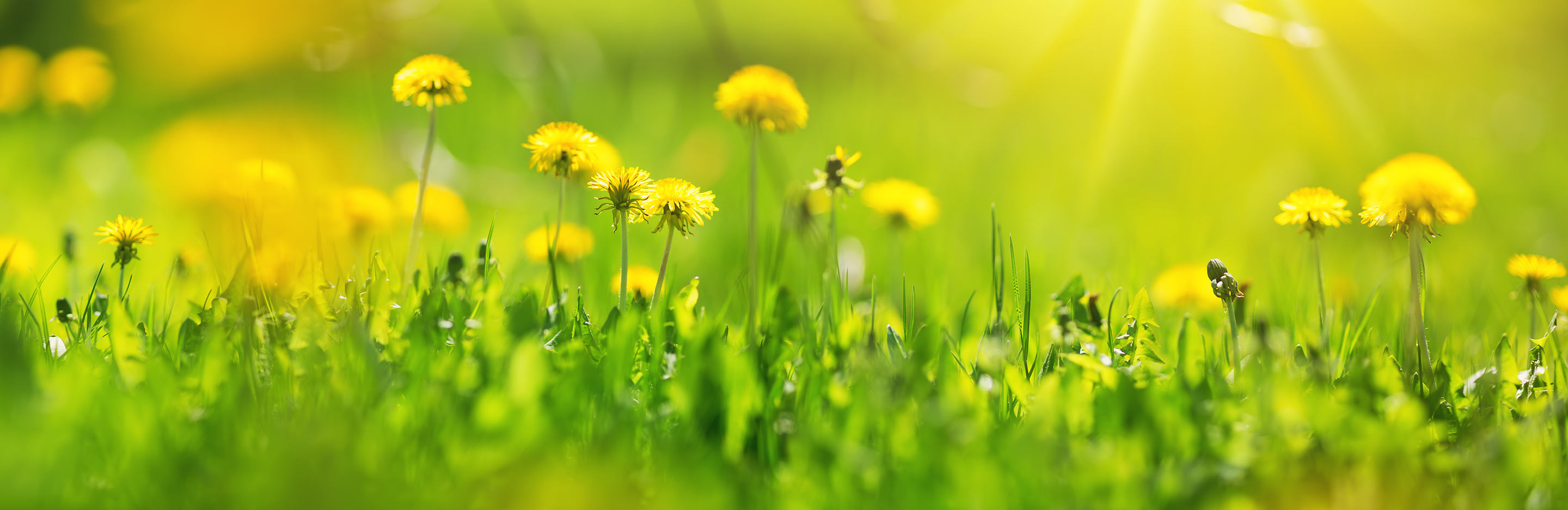
These are leafy and often have flowers. Common examples of broad-leaved weeds are dandelions, thistles, and clovers.
Grass types
These can be more difficult to identify from wanted lawn grasses. They can be annuals or perennials. Common examples: couch, Yorkshire fog.
Grass-like weeds - rushes and sedges
These are sometimes hard to distinguish from true grasses. Sedges have triangular solid stems, while rushes have round solid stems. They are often found in moist or well-watered lawns.
Types of weed control
Now that you’ve hopefully identified the problem weed(s) – you need to identify the solution product. Getting the right product is extremely important in achieving a weed-free garden. Some are more effective in killing particular weeds. See below for the weedkiller breakdown.
Non-selective weedkillers
Nick-named ‘broad-spectrum’ weedkillers, these kill or damage any plants that they come into contact with. They are the most common type of weedkiller.
Selective weedkillers
These will selectively only kill certain types of weeds. They usually target broad-leaved weeds and are mainly targetted for use against weeds in lawns as they do not cause damage to the grass.
Contact weedkillers
As the name would suggest, these weedkillers only kill the above-ground parts of the plant that they come in to contact with. Repetitive doses may need to be applied to fully kill the weed fully.
Systemic weedkillers
This type of weedkiller travels down the stems to the underground system of the weed (when applied directly to the leafy above-ground part). Systemic herbicides are effective in killing the weed but are slower in doing so than contact weedkillers.
Pre-emergence/residual weedkillers
Pre-emergence weed killers are used to treating gravel paths, drives and waste ground. They prevent new weed seedlings from emerging for up to 3 months. You need to identify what you need to achieve to decipher the right weed killer for your purpose. Take note of how products differ and pick the best option for you and your garden. Also, make sure you time it right for maximum effect. Happy gardening!


