
The best thing you can do is mulch as soon as we get some decent rainfall, which locks moisture into the soil. Cover empty beds and borders, raised veg beds and allotments. Also spread mulch around established plants, but don’t pile it against the stems. A layer of 2–3 inches is ideal leaving a gap around woody stems. If you’re unsure as to how much mulch to apply, you can use the Mulch Calculator.
Kate Turner, Gardening Guru at Miracle-Gro
10 autumn gardening jobs to do now
- Improve your soil and mulch beds and borders
- Plant spring bulbs, shrubs and perennials
- Protect tender plants from frost
- Protect pots from winter weather
- Lift and store dahlias
- Help garden wildlife through winter
- Prepare your lawn for winter
- Clean paths and high-traffic areas
- Prepare your greenhouse for winter
- Protect patios and garden furniture
It’s easy to think the garden starts to slow down in autumn and that it’s time to hang up the trowel and put away your gloves. Not quite!
Autumn is a brilliant time to get outside, enjoy the crisp air and give your garden a little TLC. A few simple jobs now can help protect your plants through winter and give your garden a great head start when spring arrives. From looking after your lawn to planting spring bulbs, here are 10 jobs to tick off your autumn gardening list.
1. Improve your soil and prepare beds and borders
Improve your soil in autumn by removing persistent weeds and adding a layer of organic matter or mulch to beds and borders.
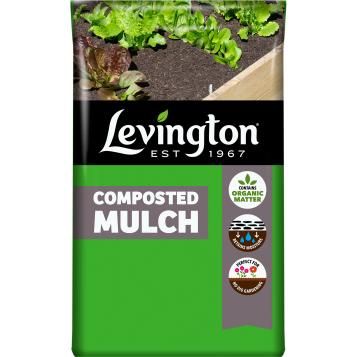
After a busy growing season, adding a layer of organic matter can help improve soil structure, retain moisture and give your beds and borders a boost ready for next year. Mulching materials include, Levington® Composted Mulch and Levington® Decorative Bed & Border Bark.
Start by removing any persistent weeds such as brambles, nettles or bindweed. Then add a generous layer of mulch over the soil. If you’re unsure which materials to use, read our guide to making your own mulch in autumn. If you prefer a no-dig approach, you can lay wet cardboard over the surface before covering it with mulch. However you choose to mulch, it’s a simple job that will help protect and improve your soil while suppressing weeds, leaving your beds in great shape for spring.
2. What to plant in Autumn
Autumn is a good time to plant spring-flowering bulbs, shrubs and many perennials while the soil still retains some warmth.
Haven’t planted your spring bulbs yet? There’s still time. Alliums and daffodils are best planted sooner rather than later, while tulips can be planted later in autumn when the soil is cooler. If you're planting bulbs in pots or containers, choose Miracle-Gro® Peat Free Premium Bulb Fibre Compost - a peat-free, free-draining compost suitable for bulbs to help prevent them sitting in overly wet conditions.
For a spectacular spring display, try layering different bulbs in your container. Place larger, later-flowering bulbs towards the bottom, with smaller, earlier bulbs nearer the top. For more advice on choosing, positioning and planting bulbs, see our guide to planting spring bulbs and using bulb fibre.
Autumn is also a great season for planting many shrubs and perennials. The soil can still retain some warmth while increased rainfall means plants may need less watering than during warmer weather. This gives roots time to establish ahead of spring. When planting into the ground, improve the soil with suitable organic matter where needed, water well and add a layer of mulch around the base. You can also find more inspiration in our guide to what to plant in autumn and winter containers.
For shrubs in containers, choose a generously sized pot and a good-quality peat-free compost suitable for roses, trees and shrubs.

3. How to protect tender plants from frost
Protect tender plants in autumn by moving them into a greenhouse or sheltered location before colder weather arrives.
Autumn days can still feel surprisingly mild, but colder nights can arrive quickly. Now is a good time to think about tender plants such as cannas, bananas, some salvias and scented pelargoniums. Move vulnerable plants into a greenhouse or another protected location where possible. For more detailed advice, read our guide to overwintering tender plants.
Alternatively, position containers somewhere more sheltered, such as close to a wall. Depending on the plant and your local conditions, horticultural fleece can provide additional protection when colder weather is forecast.
4. How to protect pots from frost in winter
Protect vulnerable pots from winter weather by improving drainage and moving them to a sheltered position where possible.
Some clay and terracotta pots can be vulnerable to frost, particularly if they become waterlogged. Move vulnerable pots to a sheltered spot where possible and avoid leaving them standing in saucers of water. Pot feet can also help improve drainage. If particularly cold weather is forecast, consider protecting containers with horticultural fleece or hessian. Learn more about recognising, preventing and dealing with frost damage.
5. How to lift and store dahlias for winter
Dahlias may need lifting in colder or wetter gardens, while those growing in mild, well-drained locations may be left in the ground and protected with mulch.
Whether you need to lift dahlias will depend on where you live and the conditions in your garden. In milder, well-drained gardens, some gardeners leave tubers in the ground and protect them with a generous layer of mulch. In colder locations, or where winter wet is a problem, lifting and storing them can provide extra protection.
Once lifted, cut back the foliage, remove excess soil and check the tubers carefully, discarding any damaged or rotting material. Allow them to dry before storing them somewhere dry, cool and frost-free. Check them occasionally through winter and remove any tubers that show signs of rot.

6. How to help garden wildlife through autumn and winter
Help garden wildlife through autumn and winter by providing food, fresh water and places to shelter.
As temperatures fall and natural food sources become scarcer, your garden can provide valuable food, water and shelter for wildlife. Provide suitable food for garden birds and keep feeders and feeding areas clean. Fresh water is important too, particularly when colder weather arrives. And don't be too quick to make everything perfectly tidy. Leaving some seed heads and plant stems standing over winter can provide food and shelter for wildlife. Plants including ivy, holly and pyracantha can also provide valuable autumn and winter habitat. Discover more simple ways of looking after wildlife through autumn.
7. How to prepare your lawn for winter
Prepare your lawn for winter by feeding, aerating and scarifying where appropriate, while regularly clearing fallen leaves from the grass.
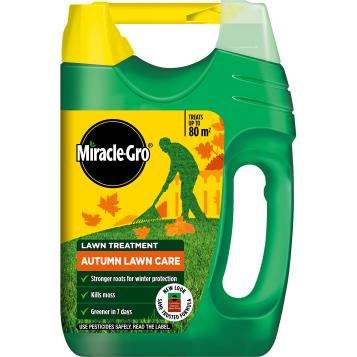
If conditions remain mild, autumn can still be a useful time to help your lawn recover after summer. For grass seed to germinate well, soil temperatures should be at least 8°C. September to mid-November can be a good window for autumn lawn care, while the soil is moist, the grass is dry and conditions are frost-free. Use Miracle-Gro® Autumn Lawn Care - a lawn feed formulated for autumn rather than a high-nitrogen summer feed. Depending on conditions, you can also scarify and aerate compacted areas to improve the lawn and soil underneath.
Keep fallen leaves from building up on your lawn too. A thick layer of wet leaves can block light and air from reaching the grass, creating poor conditions underneath. And don't throw those leaves away. Collect them in a dedicated pile or leaf-mould container and, given enough time, they'll break down into valuable leaf mould that can be used as a soil improver or mulch. With lawn growth slowing, autumn is also a good opportunity to neaten your lawn edges for an instantly smarter-looking garden. Follow our complete autumn lawn care guide for more advice on feeding, scarifying, aerating, mowing and clearing leaves.
Many gardeners think of spring as the season for lawn care, but autumn is when the foundations of a healthy lawn are really built. By improving soil health, encouraging stronger root growth and relieving compaction before winter, you can help your lawn recover from summer stress and set it up for a greener, more resilient performance the following year.
Stephen Olive, Lawn Care Expert & Research Lead
8. Tidy paths and high-traffic areas
Prepare paths and patios for winter by removing fallen leaves, algae and organic debris before wetter weather sets in.
As autumn and winter bring wetter weather, lawns can become muddy and patios and paving can quickly turn slippery. Keep hard surfaces looking their best by tackling algae and organic debris. Patio Magic! Concentrate can be used as part of your regular patio and path maintenance. Top up suitable pathways with bark or wood chip where needed to make getting around the garden easier during wetter weather. It's also a good opportunity to tidy lawn edges and remove fallen leaves from paths.
9. How to prepare your greenhouse for winter
Prepare your greenhouse for winter by cleaning the glass, removing unnecessary clutter and checking for any repairs before harsher weather arrives.
If you added shading to your greenhouse during summer, remove it as light levels begin to fall. Clear away unnecessary pots and clutter, clean algae and grime from the glass and check for anything that needs repairing. Have a look at guttering, seals and glazing too, so your greenhouse is in good shape before harsher autumn and winter weather arrives. If you're overwintering tender plants inside, good hygiene and ventilation can help reduce problems with pests and diseases. For a wider seasonal maintenance checklist, read our guide to getting your garden ready for winter.
10. How to prepare your patio and garden furniture for winter
Autumn is also the time to prepare patios and outdoor living areas for wetter and windier weather. Cover or store garden furniture where appropriate and keep fallen leaves from building up on patios and paving, where they can contribute to staining and slippery surfaces. Lift containers onto pot feet where appropriate to improve drainage and check paving for damage that could worsen over winter. Finally, take a walk around the garden and check fences, tree stakes, trellis and pergolas. Tackling small repairs now can help you prepare for whatever the winter weather brings.