
How to use weedkiller safely
Weedkiller is a powerful tool for getting rid of unsightly and unwanted weeds from your garden. But it should also be remembered that many of them contain some very strong pesticides and chemicals that can be harmful to people, animals and the environment.
Using manual, non-chemical methods to remove weeds from gardens, paths, patios and plant beds should always be the first option where appropriate. But in cases where weedkiller is required, it’s vital that you observe good safe practice around its application, handling, storage and disposal at all times.
This guide gives you all the key facts around using weedkiller safely. We’ll explore how to use weedkiller responsibly, how to dispose of weedkiller, and answer some common questions around safe use.
How do weedkillers work?
Weedkillers are chemicals specifically designed to control common garden weeds, and they work by restricting the natural growth of the plant and/or its roots, so that it is unable to support itself and eventually dies off.
They achieve this through one, or through a combination of, these four methods:
- Preventing photosynthesis, so that they are starved of vital energy
- Disrupting cell division and growth
- Hindering nutrient absorption from soil
- Simulating natural plant hormones, so that the balance and wellbeing of the plant is destabilised
Weedkillers are manufactured according to very strict rules and regulations, and each will differ depending on their purpose and the weed they are intended to control. This guide on how weedkillers work explores their effectiveness in more detail, and highlights different types of weedkiller for different applications.
When should weedkiller be used?
Weeds can generally be killed at any time of the year, but the best time is when they are growing strongly because they absorb weedkiller more quickly. Generally speaking, this is either in the spring or the autumn, especially for systemic and selective weedkillers which rely on activity within the plant for their effectiveness.
In most cases, the best weather conditions for applying liquid weedkillers are warm temperatures, no rain, and little to no wind. This ensures that the weed is thriving, but without the risk of rain washing the weedkiller away, or wind risking the solution drifting onto surrounding plants that you want to keep.
How to use weedkiller responsibly

Firstly, as is the case with any garden product, you should read the instructions on your weedkiller product thoroughly, and follow them as closely as possible. Not only will this help you stay safe, but it will also help you apply the weedkiller for maximum effectiveness and the best possible results.
Applying weedkiller with a watering can
Some weedkillers, such as Roundup® Weedkiller Total Optima Concentrate, are designed to be diluted and then applied through a watering can, either with a fine rose head, or a weedkiller sprinkle bar that will give you effective control over where you apply the weedkiller.
It’s important to remember that there is likely to be residual weedkiller left over in the watering can afterwards, which may affect other plants if the can is then used for normal watering. To prevent this, we recommend using a separate watering can, solely for weedkilling purposes.
Applying weedkiller with a pressure sprayer
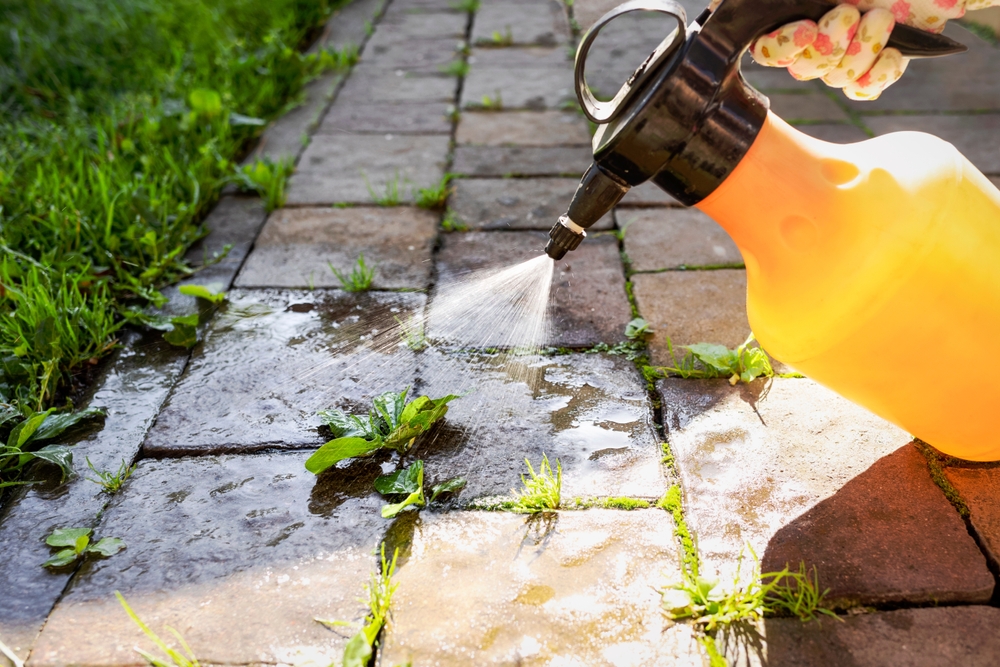
A number of weedkillers, including Roundup® Ready to Use Path Weedkiller Pump ‘n Go, are applied using a built-in pressure sprayer. You should protect the plants you want to keep by using a sheet of card to screen them from the application (especially if you’re using a non-selective weedkiller). Do not walk across treated areas until dry, to avoid the transfer of products onto desired plants.


Safety first: ten top tips for weedkiller safety
Whatever weedkiller you use and however it’s applied, safeguarding yourself, your plants and the people around you should always be the top priority. These ten tips can minimise the risk of an unfortunate accident:
- Read the label: check and understand all the instructions on the label before preparing or using your weedkiller.
- Only use if needed: explore other, less harmful methods to remove weeds if appropriate, and only use weedkiller if necessary.
- Use the right weedkiller at the right time: check that the product can be used in the way you want to use it and at the time of year you want to use it.
- Mix properly: if using a concentrated weedkiller, mix with water as per the instructions, and avoid the temptation to add extra weedkiller to make it stronger.
- Apply the right amount: put the weedkiller on the plants thoroughly and evenly, but without under-treating or over-treating.
- Avoid hot and sunny days: spraying during cooler summer evenings often has the best effect. Avoid spraying in bright sunlight as the water droplets can cause scorch.
- Wear protective clothing: make sure you wear gloves at the very least, and consider wearing a face mask, and ensuring that your arms and legs are covered from any potential splash-back
- Wash sprayers thoroughly: wash out the sprayer thoroughly after use with a few drops of detergent, then rinse well and spray clean water through the nozzle. Treat the washings as you did the original product and only spray on areas such as wasteland or target plants.
- Keep clear of children and pets: ensure that children and pets are kept well away from the treated area until the application has dried, and keep all household and garden chemicals in their original containers and out of their reach.
- Handle poisonous weeds with care: (such as ragwort) and are still toxic even after they’ve been killed. Seek professional advice if trying to control, kill or dispose of poisonous weeds
How to store weedkiller safely
Weedkiller should be stored safely, although making sure you only buy what you need in the short-term can minimise the amount you have to store.
Any stored weedkiller should be kept in a cool, dry place, which won’t be affected by frost or direct sunlight at any time. This should be in original containers and closed securely — transferring weedkillers into other containers is against the law. Ensure that no granules or powders are stored directly below the weedkiller, and keep the weedkiller well away from fertilisers.
How to dispose of weedkiller
Because of the hazardous nature of the chemicals involved, weedkiller also has to be disposed of responsibly. This includes any excess weedkiller you have made up from concentrate, which should not be retained under any circumstances.
Old or unwanted chemical products can be disposed of through your local waste authority (County Council or Unitary Council). Your local council can advise on household waste sites that will accept garden chemicals. A list of local council facilities that will accept garden care chemicals can be found at the Pesticide Disposal Directory. Never dispose of unwanted product down household sinks, lavatories or drains.
Further advice on the safe disposal of garden chemicals can be found on the Crop Protection Association’s Garden Website.
FAQs
How long does weedkiller stay toxic for?
This depends on several different factors, including the acidity of the soil, its chemical composition, how its applied, and the wider weather and environmental conditions. Generally speaking, glyphosate-based weedkillers may remain toxic for months or even years, while those with other active ingredients that are less potent may only last for weeks or days.
What should I do if I come into contact with weedkiller?
If you get weedkiller on your hands or any other part of your body, wash your hands thoroughly with soap and water immediately, and rinse for at least 15 minutes. Any residual weedkiller on skin or clothes can be removed through rubbing a white cloth soaked with white distilled vinegar. If your case is more serious, you ingest weedkiller, or you get it in your eyes, seek professional medical help as soon as possible.
Can empty weedkiller containers be recycled?
Yes, as long as you make sure that no residual weedkiller is still in the container. Once you’ve finished spraying, use a small amount of water to wash through the container three times, and empty the diluted liquid onto your target weeds. These empty containers can usually be recycled with your normal household waste, but check the product label carefully to make sure this is OK.


