A guide to edible weeds
Weeds, pests & diseases

A guide to edible weeds

Thought weeds were just an invasive pest to dig up and get rid of? Think again!

Many of the weeds that grow in gardens around the UK are not only safe to eat, but are also rich in nutritional value, and can be very tasty too. Choose the right weeds and prepare them properly, and these edible weeds could provide a free and abundant natural food source — literally on your doorstep.

This list of edible plants with pictures gives you an idea of what to look for, and some inspiration on how edible weeds can turn a garden menace into a kitchen asset. 

Chickweed

Chickweed is a small edible weed, which produces white, star-shaped flowers found most often in lawns. Packed with nutrients such as potassium and magnesium, it tastes a bit like spinach and therefore can be used in salads, sandwiches or soups. The younger, fresher leaves are the best ones to use for salads (and can even be used as part of a pesto), while the flowers can be used as edible garnish. 

Dandelion and burdock

Dandelion is a perennial weed that you can find all year round. Individually, dandelion leaves can be cooked in the same way as spinach, and their roots can be ground down and used as a caffeine-free alternative to coffee. 

Duckweed

It might not look like the most appetising of plants, sitting on top of a pond, but duckweed is full of protein, and can also be used to make a vegan-friendly powder called Lenten. Duckwell is also full of calcium, iron, zinc, omega-3 acids, and vitamins A, B and C. You should rinse any duckweed thoroughly with fresh water before trying to cook with it. It can be used raw in smoothies and salads, or cooked as ingredients in soups and stir fries. 

Fat hen

Fat hen (often referred to as lamb’s quarters or wild spinach) can be harvested young, especially when they have diamond-shaped leaves and feel slightly dusty. Cooking before eating is important, so that you aren’t exposed to high levels of oxalic acid. The leaves can be used as a substitute for spinach, mixed with ricotta in ravioli, or used in the same ways as chard or kale. It can also be blended into smoothies, soups and pesto. 

Garlic mustard plant

This biennial weed (unsurprisingly) produces a garlicky taste, and can be used as a chopped herb in a variety of dishes. The younger, thinner plants are the best to pick, and are a pleasant addition to soups, casseroles, and any sauces and dressings you prepare. This isn’t the only way you can consume them, either: it’s also possible to use the roots of older garlic mustard plants as an alternative to horseradish. 

Goosegrass

Often known as the “Velcro plant”, you might think that goosegrass is too hairy to be fit for human consumption. But there are two great ways you can consume goosegrass, the first of which is as a green vegetable. Pick the leaves and shoots of the youngest plants, and cook them as an ingredient in stews and soups. The second way is to collect the seeds, and once they’re hardened, roast and grind them to use as a coffee alternative. 

Ground elder

Eating ground elder will give you a taste fairly similar to parsley, which makes it an excellent herbal accompaniment to fish dishes. As with many of the other weeds in this list, the younger leaves and shoots are the best to use, and can be applied to a huge range of food aside from fish, such as soup, pasta, sandwiches and salads. And as ground elder forms in dense clumps in shady areas, you’re more likely to find it in good quantities that you can pick and use regularly.  

Hairy bittercress

Hairy bittercress grows close to the ground, which means it might pick up dirt more easily before you pick it. Once you’ve picked the younger plants, make sure you wash them thoroughly before use. The leaves bring a peppery taste broadly similar to rocket, which makes it a real sharpener to a beef sandwich. You’ll get more flavour using it raw than you will through cooking. 

Horseradish

Horseradish is many people’s essential accompaniment to roast beef, whether in a sandwich or as part of a full dinner on a Sunday. Horseradish plants produce a wonderfully strong root that is grated to make horseradish sauce: the fresher the root, the hotter your sauce will be! The leaves can be particularly intense if you use them raw as greens, so cooking them can help take the edge off. 

Purslane

Packed with omega-3, purslane has smooth, oar-shaped leaves. It tastes mild and lemony, and so pairs very well with seafood or Asian food, but is also tasty in sandwiches, salads, smoothies and stir-fries. The best leaves are those that are green and crisp to touch: rinse them under cool water, pat them dry and remove any thick stems before cooking. 

Sheep’s sorrel

Recognised by its green arrowhead-shaped leaves, sheep’s sorrel (like lamb’s quarters) also carries oxalic acid, so cooking before consumption is very important. Sheep’s sorrel has a slightly sour taste so is great alongside fattier meats such as lamb and pork. You’ll need plenty of it as it will shrink considerably when cooked. 

Stinging nettles

Let’s get one thing clear: no, you won’t sting your tongue consuming stinging nettles if they’ve been cooked. Jeremy Clarkson prepared a nettle soup on Diddly Squat Farm, and you can do the same, taking advantage of leaves that are full of iron, much like spinach. But nettles can also be used to make tea, beer, pasta, pesto and much more. The tips of the leaves tend to give the best flavour (make sure you wear gloves when you pick them!), and try to pick and eat the young leaves before they flower. 

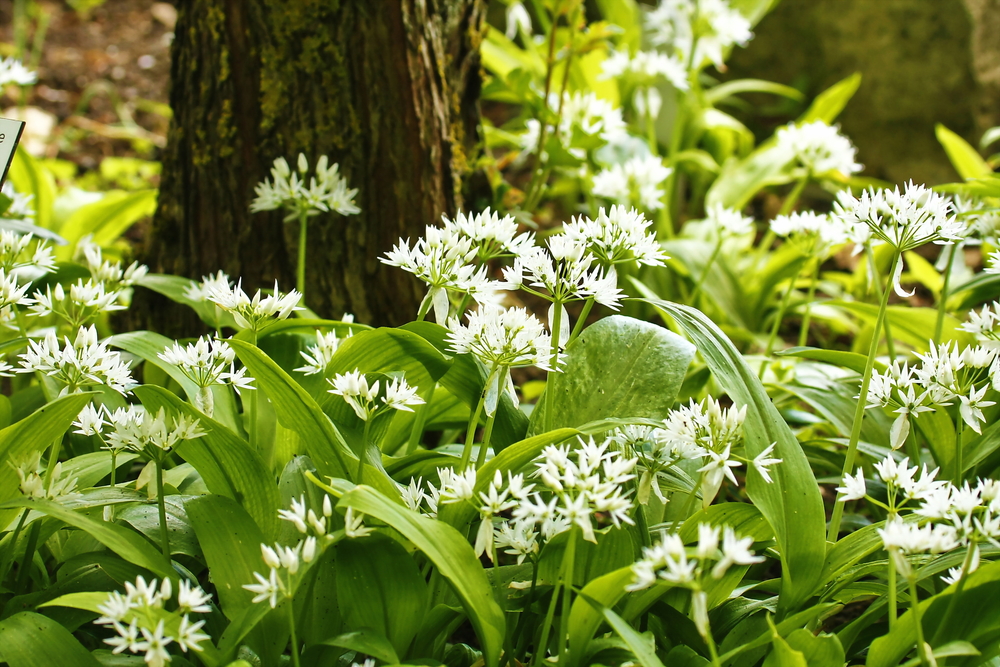
Wild garlic

Wild garlic can be found in woodlands and hedgerows all over the UK, normally in the spring. Its young leaves can be used in salads and sandwiches raw, while the older leaves should be cooked to unlock more of the taste. It’s also possible to pickle the seedeads in white wine or vinegar and create a ‘poor person’s caper’ infused with garlic. 

FAQs

Are all weeds edible?

No. While there’s a wide range of edible weeds available to you (as demonstrated in this guide), some weeds can be poisonous if consumed by a human being. Check very carefully before preparing weeds to eat, and don’t try and eat anything that you aren’t absolutely certain is safe.

Is garden foraging or wild foraging suitable for edible weeds?

Yes. Many of the edible weeds in this guide can simply be found in your garden, or in public areas, and picked to be prepared and consumed at home. However, if you’re foraging on land that isn’t your own, make sure that you have permission to pick the weeds, and in order to minimise the impact on the environment, don’t take more than you’ll realistically consume.

What if I’ve used weedkiller in the area?

If weedkiller has been used in or close to areas where there are edible weeds growing them, then you should not consume those weeds under any circumstances. Weedkiller can be extremely hazardous when it comes into direct contact with humans, so you should only use it when you have weeds that you want to get rid of. 

Find your local store

Looking for specialised gardening advice? Or just hunting for a specific product? Visit your local store and get help from dedicated staff.