
Top ways to treat weeds
There are so many different ways to treat weeds that it can be hard to know which is best for you.
This is partly because there are several questions to answer along the way:
- How far have the weeds spread?
- How established are they?
- Are they annual, biennials or perennials?
- Do I have the time and fitness to remove them all manually?
- If I use weedkiller, will it harm the surrounding plants, too?
What is certain is that removing weeds is almost always a good idea, whether on your lawn, path, patio or flower bed. The more weeds grow, the more they take water, light and nutrients away from your prized plants and grass, and make it harder for them to survive.
In this guide, we’ll explore all the different ways you can treat weeds, starting with non-chemical methods of weed control, and moving onto various types of weedkiller. You’ll learn which circumstances are best for each option, and get advice on what to do in certain specific situations.
Manual weed removal
Looking at methods of manual weed removal should always be your first port of call. While many weedkillers are designed to minimise environmental impact, removing the weeds yourself is as natural as it gets.
There are several options available to you here, depending on the age, type and spread of the weeds in question:
Hand weeding
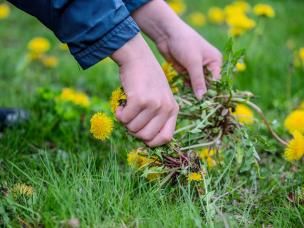
Younger annual weeds with limited root systems may be able to be removed by hand. Grasp the weed as close to the ground as possible and steadily pull it out, making sure to bring the whole root system with it. This is fine for the odd one or two weeds, but back-breaking if the weeds are rampant.
Digging and forking out
Using spades, hand forks and garden forks can help you ease out more established and deep-rooted weeds, including younger perennials, by helping you remove the soil around the roots along with the plant. Specialist ‘corkscrew weeders’ can be especially effective on lawns as they minimise the amount of grass impact. Any bits of some perennial weeds left in the ground will grow into new plants, so removing the entire root system is absolutely essential.
Hoeing
Hoeing is best done on a warm day or a windy day, so the hoed weeds die quickly. ‘Topping’ the weeds with the hoe blade just below the soil surface avoids some of the backaches, although you’ll still have to pick the weeds up if you want the garden to look tidy.
This method is best for smaller weeds that rely on the above surface leaves to survive, rather than their root systems below. Hoeing the roots of perennial weeds often increases the problem and brings the seeds of annual weeds back to the surface.
Mowing
Mowing can be effective on annual and younger weeds by removing the tops of the plants, and keeps lawns looking smooth and uniform. Doing this consistently at the right height can ensure that weeds never get the chance to flower and produce seeds. In fact, if you do this enough times over the summer, the weed will be considerably weakened as the frosts arrive, without having had the chance to seed.
Mulching
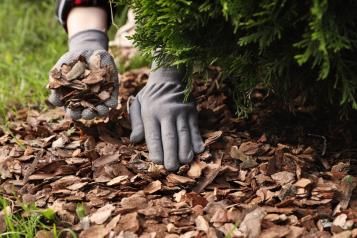
Applying a thick layer of organic matter to the soil surface - called a mulch - helps to suppress weed growth. Which type of mulch to use depends on the circumstances:
- Inorganic mulches: gravel, pebbles and decorative glass, spread as a thick layer in plant pots and to suppress weeds in pathways
- Weed membrane: a woven plastic sheet applied to new flower beds pre-plating, preventing weeds from accessing sunlight and germinating
- Organic mulches: compost, farm manure, bark chippings and other organic material, spread thickly over flower beds to block out sunlight and reduce water loss
Chemical weed removal
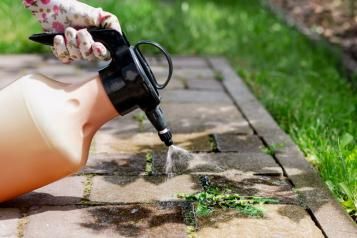
Chemical weedkillers take the backache and hard work out of weeding. They are also a very efficient way of getting rid of weeds, especially deep-rooted perennial weeds that can be difficult to control. Different weedkillers are specially formulated for specific weeding tasks. When skilfully selected to match the job in hand and used with care, chemical solutions will give you the weed control you need.
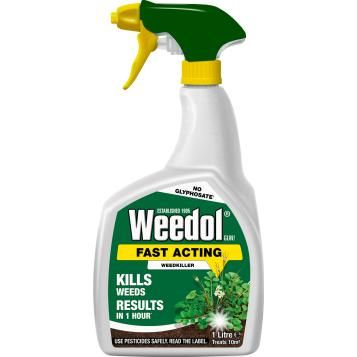
Residual weedkillers
Residual weedkillers work by creating a weedkilling barrier in the ground that prevents weed seeds germinating, so that they can’t get established in the first place. They are held on the surface for several months and so control weed growth in the long-term.
Selective lawn weedkillers
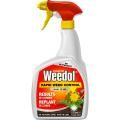
Selective lawn weedkillers like Weedol® LN Lawn Weed Control are very clever as they work on the broad-leaved weeds but not on the grass around them. They also work very differently from other types of weedkiller, by stimulating unsustainable growth: the weed can’t get enough energy and it essentially ‘grows itself to death’. They take some time to work: up to six weeks in summer, and even longer when it’s cold, but one application can last a whole season. The best conditions are warm, moist soil and when weeds are growing actively
What can I do to prevent weed growth in the first place?
Of course, the best cure to the issue of lawn or garden weeds is prevention: stopping weeds from taking root and establishing before they even get a chance. There are several things you can do as part of your everyday garden routine that can act as preventative measures, including:
Conduct regular maintenance
Maintaining your lawn and garden goes without saying, but you should incorporate a ‘weed patrol’ into your normal activities. Remove weeds as soon as they’re spotted, and if you see any bare patches of lawn, overseed them as soon as possible so weeds don’t get the chance to take over the vacant space.
Aerate and fertilise to support your plants
Using a garden fork to aerate the soil can help your lawn in particular get more air, water and nutrients to grow healthily. Using a fertiliser can also promote stronger growth of the lawn, so that it can’t be dominated by weeds.
Change your watering strategy
If you water less often, but water more each time, that will encourage stronger root development in your grass or plants and reduce the chances of them being out-competed by the weeds. If there are any weeds in the area, this will also promote their growth, so close monitoring of the garden can help you spot and remove weeds as soon as you notice them.
FAQs
How do I know which weedkiller to pick?
Understanding the characteristics of different weedkillers is very important. For example, a selective weedkiller is better for a lawn as it won’t kill the grass around it, while a slow-burn systemic weedkiller is effective against established perennials with deep root systems. Read this article on killing common garden weeds for more information.
What’s best for tackling weeds in a vegetable garden?
Contact weedkillers like Roundup® Weedkiller Total Optima are very well-suited to vegetable gardens because they are absorbed by the weed’s leaves into the sap system, and then travel down to the root to cause permanent damage. It’s very important that no weedkiller sprays onto your edible veg accidentally, so use protective sheets and covers on them when spraying.
How should I approach lawn weed spot treatment?
When individual weeds crop up in isolated areas of your lawn, a dose of a good selective weedkiller like Weedol® LN Lawn Weed Control is especially effective, and won’t cause any harm to the grass around it. Use on a calm, dry day, and keep the nozzle tight so that the spray is confined to the target. Wait for up to two weeks for results, and respray if the weed persists.