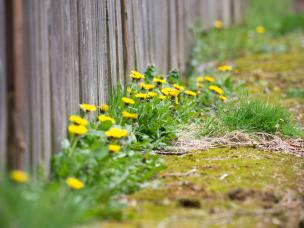
How to control weeds in flower beds and borders
How to control weeds in beds and borders
A beautiful flower bed can be the most eye-catching (and nose-catching!) part of any garden in summer, adding colour and scent in abundance. But when weeds try and take over, the look can be spoiled, and the flourishing of your flowers can be held back.
So how should you go about weed suppression? This guide tells you how to stop weeds growing, whether mulching, using weedkillers, doing it by hand, or a combination of those methods.
Why is deweeding so important?
Weeds make flower beds look messy and unsightly, but there are plenty of other reasons for weed suppression, too. Weeds compete with plants for water, nutrients, and even sunlight if they start to block other plants out, which makes it harder for your flowers to grow and bloom properly.
Weeds also tend to spread and grow quickly, which means the longer they are left to thrive, the larger the impact and the harder it can be to get rid of them.
How to dig up weeds by hand: a step-by-step guide
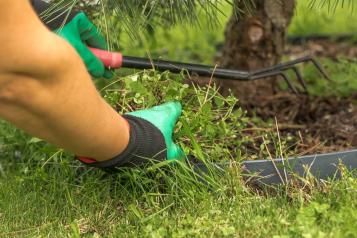
Hand weeding is the most traditional method of removing weeds from flower beds. Hand weeding works well for annual weeds like chickweed, groundsel and hairy bittercress, as these have shallow roots which are easy to dig up, and they don’t grow back from portions of root.
The best way to dig up weeds by hand is as follows:
Look for plants you don’t recognise
You probably have a good idea of what you’ve planted where, so you should look for anything that doesn’t look right, and do some research to identify what you’ve found.
Hoe and rake
Hoeing around the plants in your flower beds on a dry day will cut all the weeds off from their roots at ground level. Larger weeds can then be raked away to tidy up the flower bed, and so they don’t have the chance to take root again, while smaller weeds will dry up and disappear of their own accord
Hoeing annual weeds regularly is particularly effective when the weed seedlings are still small. Annual weeds won’t regrow from portions of root left in the ground, but they do self-seed liberally, so it’s important to remove them before they have a chance to set seed. The old gardener’s saying “one year’s seeding means seven years’ weeding” is very true where annual weeds are concerned!
Fork and pull persistent weeds and border weeds
The most perennial weeds can regrow from small sections of root, so using a fork to dig these roots up and ease them out of the soil can prevent this from happening. The same advice is also a good idea for those around border plants, to reduce the risk of any collateral root damage.
Dispose in your compost bin
All the weeds you’ve removed can be thrown in your compost bin. However, some perennial weeds like bindweed and ground elder may need to be left to rot in a bucket of water first, to ensure that they’re killed off.
You should also check carefully in case the type of weed you’ve removed is considered invasive (for example, giant hogweed and Japanese knotweed, among others). These are considered controlled waste and cannot be disposed of through household waste or recycling.
What are the disadvantages of hand weeding
Hand weeding is often very labour-intensive, and weeds like docks, brambles and dandelions can be difficult to tackle by hand as they have deep roots which need to be completely dug out to stop the weeds growing back. Bindweed and ground elder are some of the most difficult weeds to dig out by hand, as they develop extensive underground root systems and will grow back if any portion of root is left in the soil.
One of the downsides of manual weeding is that it disturbs the soil, bringing buried weed seeds to the surface where they can germinate, so it can sometimes seem as though weeding just results in more weeds!
It’s for these reasons that, on top of hand weeding, you may want to consider two alternative methods: mulching, and using weedkiller.
How to stop weeds by mulching
Mulching is a very effective way to stop weeds from growing. A mulch is a physical barrier which is laid on the surface of the soil and suppresses weeds by blocking out sunlight.
Depending on what type of mulch you use, it can also have other benefits. Organic mulches help retain moisture in the soil and improve soil structure, enabling plants to cope better in droughts. A thick layer of mulch can also help protect the roots of half-hardy plants against frosts.
What kind of mulches should I use?
There are three different types of mulch available to you, and depending on the nature of the flower bed in question, and your own preferences, you can use a combination of them:
Inorganic mulches
Inorganic mulches include gravel, pebbles and decorative glass, which is often used as a top-dressing for pots. Gravel is a popular inorganic mulch for gardens, especially because it’s so easy to use: simply spread a thick layer over the areas you want to cover and rake it level.
Weed membrane
Weed membrane is a woven material made of polypropylene, and is best used on new flower beds before they have been planted up. The weed membrane is laid on top of bare soil and pegged down. Plants are planted in the soil through slits cut in the membrane, and landscape bark chippings can be spread over the top of the membrane to hide it. The weed membrane acts like a mulch, allowing water through but stopping weed seeds germinating by blocking out sunlight from the soil. There are some disadvantages to using weed membranes: they aren’t 100% effective in stopping weeds growing through, they hamper healthy microbial activity in soil, and they add plastic to the environment.
Organic mulches
Organic mulches include bark chippings, cocoa shells (use with caution as they are toxic to dogs), garden compost, leaf mould and well-rotted farmyard manure, spread in a thick layer at least 5cm deep over flower beds.
Organic mulch suppresses weeds by blocking out sunlight, and locks in moisture to reduce the loss of water to evaporation. It gradually breaks down in the soil and improves soil structure, helping clay soils to drain better and sandy soils to retain moisture. A looser soil structure also makes it easier to remove weeds.
But because of that natural breakdown, organic mulches need to be replaced regularly. Woody mulches like bark chippings break down slowly in the soil and should be replaced every two to three years. Softer mulches like garden compost or farmyard manure break down faster and should be reapplied annually, either in spring or autumn.
When spreading organic mulch around plants, you should make sure that the mulch does not touch the stem or trunk of the plant, as this could cause rotting.


How to get rid of weeds using weedkiller
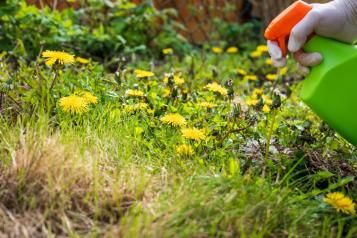
If you have a bed that’s been over-run with weeds, you may need to use a weedkiller to get rid of them.
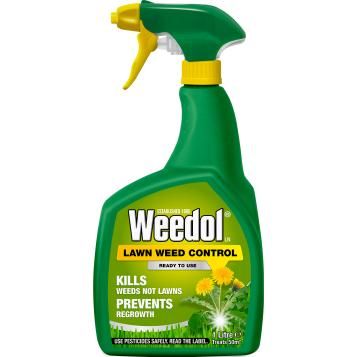
There are several different kinds of weedkillers, including contact, systemic and selective weedkillers. Selective weedkillers have been developed for use on lawns, where they target weeds without killing the grass.
Weedkillers for controlling weeds in flower beds will therefore typically be either contact or systemic weedkillers. However, these types of weedkiller are not selective and will kill plants as well as weeds if they come into contact with them. When using any weedkiller, it’s essential to apply it carefully in accordance with the manufacturer’s instructions, and to protect any surrounding plants.

Which are the best weedkillers for flower beds?
Contact weedkillers
As the name suggests, contact weedkillers kill any part of a weed that they come into contact with. They are usually sprayed onto the leaves of a weed and start to work as soon as they touch the plant, and can come either as ready-to-use sprays, or as concentrates (more suitable for larger gardens).
Roundup® Weedkiller Total Optima is a pre-mixed general purpose weedkiller, which comes ready-to-use and is ideal for weedy flower beds, vegetable patches and all around the garden.
Once sprayed, the active ingredient – pelargonic acid – starts working immediately, and will break down naturally in the soil. You’ll start to notice results within three hours, and weeds will be dead within 24 hours. After three days, the area will be ready for replanting.
Systemic weedkillers
Systemic weedkillers are absorbed into the plant through the leaves and gradually spread through the whole plant, killing it completely. This makes them ideal for dealing with tough weeds like brambles, ivy and nettles, as they kill the roots of the weed and make it hard for them to grow back.
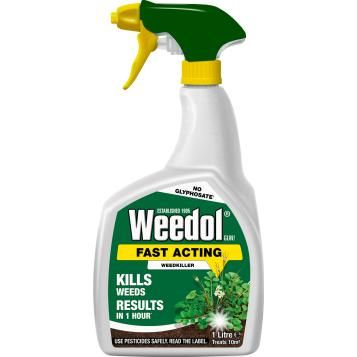
Within our range of systemic weedkillers includes Weedol® Tough Weed Control, which is ideal for killing brambles, thistles, nettles, dock, couch and many more. It includes special guidance for treatment of tough and woody weeds including Japanese Knotweed, and you’ll get fast action results visible in 24 to 48 hours.
As systemic weedkillers kill through to the root, it naturally takes longer for the process to work so you should expect to wait between one and two weeks before a weed dies completely. However, these weedkillers are very effective at preventing weeds from growing back and regenerating. They should be used in calm conditions, without spraying on flowers so as not to affect pollinators.
FAQs
How can you prevent weeds in flower beds?
One of the best ways to stop weeds in flower beds is to apply a thick layer of mulch, such as bark chips or well-rotted garden compost. This blocks out sunlight from the soil, reducing the amount of weed seeds that can germinate. Hoe around plants regularly to cut down any emerging weeds while they are still small and dig up annual weeds before they flower to prevent them self-seeding.
How can you kill weeds without damaging flowers?
The best way to remove weeds from borders is by using a weedkiller. For weeds like bindweed which have large root systems, use a systemic weedkiller that kills the entire plant down to the roots preventing them from coming back. To easily keep flowering plants safe, simply use weedkiller on a calm, dry day and protect your flowering plants with a piece of cardboard whilst spraying.