Tools
May in the Garden
May
Autumn’s final hurrah…
There can be no doubting this month that Winter is almost here! Days are shortening, nights are colder and brisk winds encourage us to rug up before heading outside. Even tropics dwellers are feeling the chill in the air, although it’s nothing like that experienced down south!
Gardening in May
Gardening in May


Vegetables
What Vegetables to harvest now:
There’s not a lot to harvest from the veggie patch now, apart from the leaves of the “pick and come again” lettuces and other greens like spinach and silverbeet. Click on the fruit or vegetable image below to find out more about what to harvest.
What to Vegetables plant now:
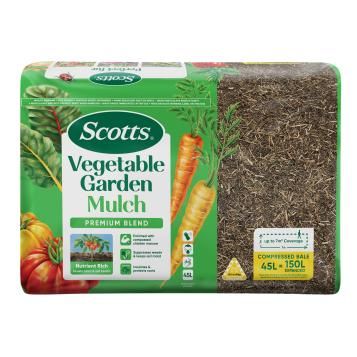
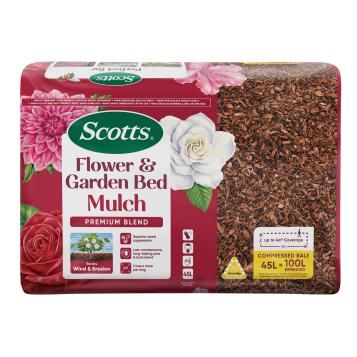
Certified virus-free strawberry plants and runners can be planted this month in all areas. Protect young plants from cold with a straw, lucerne or sugarcane mulch that will help keep the soil warm and weed-free.
In temperate areas, a late planting of seedlings of:
- Silverbeet
- Broccoli
- Brussels sprouts
- Cabbage
- Cauliflower
- Chinese cabbage
- Kale (including Tuscan kale or cavallo nero)
- Leek
- Spinach
- Spring onion
In warm regions, sow seeds or plant seedlings of:
- Beetroot
- Broccoli
- Cabbage
- Carrot
- Cauliflower
- Peas
- Silverbeet
- Spinach
- Soft herbs – parsley, coriander, basil
Veggie patch tips for May:
- Keep veggie crops healthy and growing well with applications of liquid fertiliser for vegetables and herbs such as Osmocote Pour+Feed Vegetables, Tomatoes & Herbs or a certified organic fertiliser every two to three weeks.
- Water deeply at least once a week if the weather is dry.
- Hand pull or hoe out weeds as they appear – they compete for nutrients and moisture and may also harbour pests that could attack your crops.
- Use snail and slug traps or baits to protect young seedlings.
Fruit
What fruits to harvest now:
There may still be some crops of late season fruits maturing. These include:
- Apples
- Pears
- Selected oranges
- Persimmons
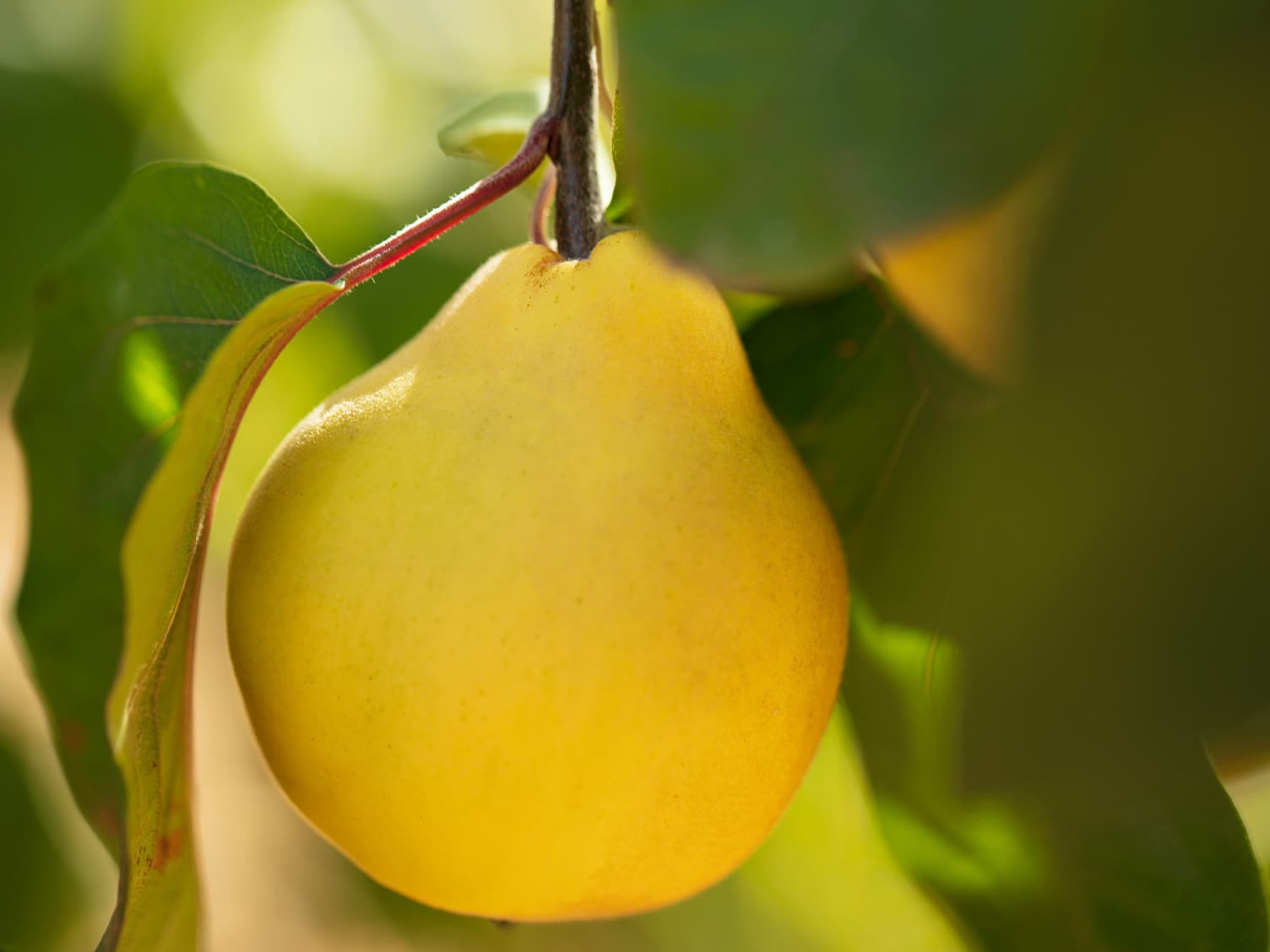
- Quinces
What fruit to plant:
Evergreen fruiting plants such as passionfruit vines and citrus may still be planted in warm to tropical areas. It’s still too early for and new bare-root fruit trees. They are best planted in mid to late winter.
Flowers
What to plant in May
Spring flowering bulbs:
- Lachenalia
- Muscari (grape hyacinth)
- Tulip
- Watsonia
Winter and spring flowering annual seedlings in warm climates only:
- Alyssum
- Aquilegia (granny’s bonnet)
- Cornflower
- Dianthus
- Gaillardia
- Geum
- Gypsophila
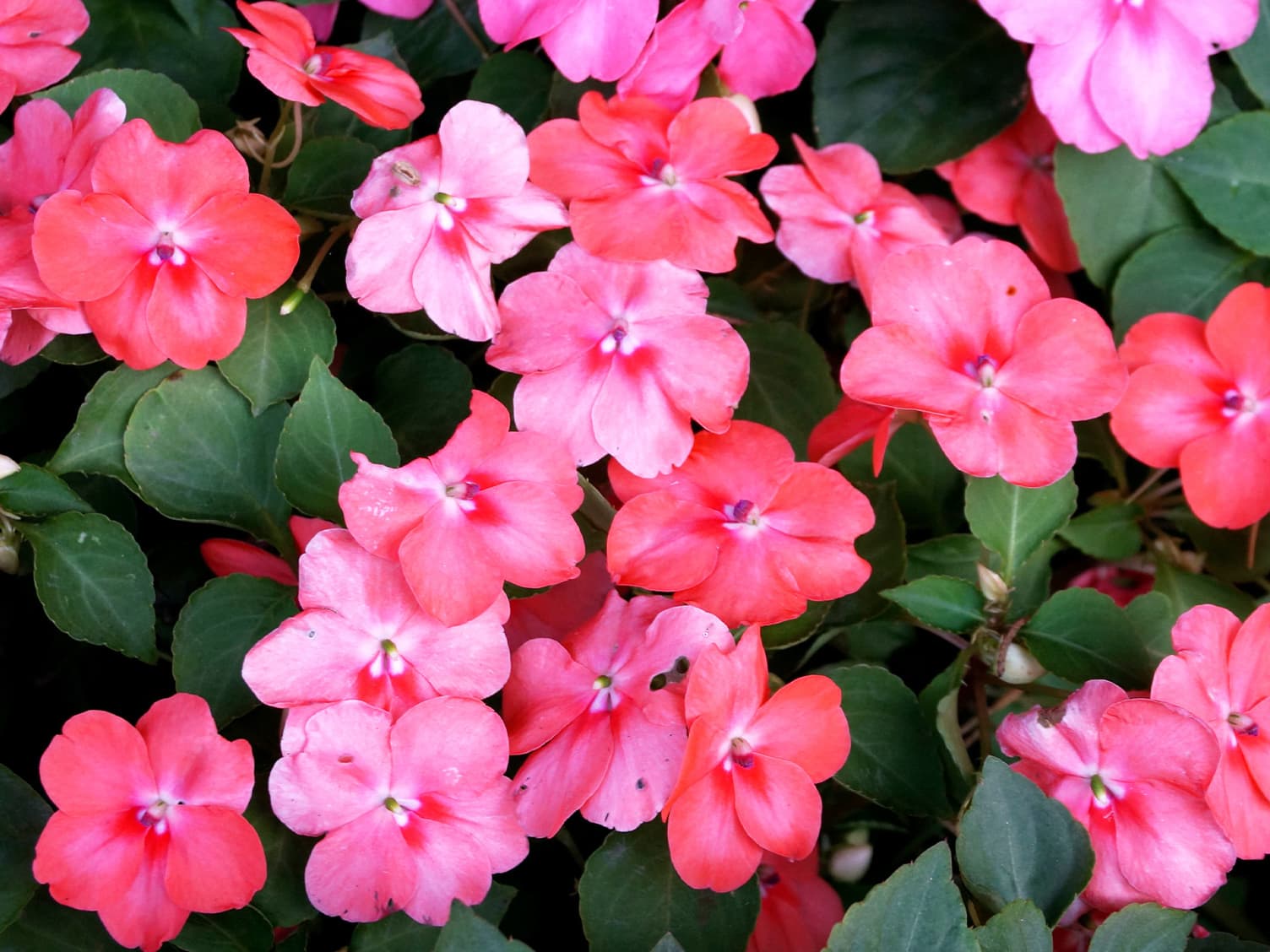
- Impatiens
- Iceland poppy
- Polyanthus
- Snapdragon
- Viola
Garden Tasks
Things to look out for and do during the month:
- Keep seedlings growing well with regular applications of Scotts Organic Plant Food Ready to Use.
- Check camellia flower buds – if they are too crowded then remove some (“disbud”) to allow blooms to develop fully.
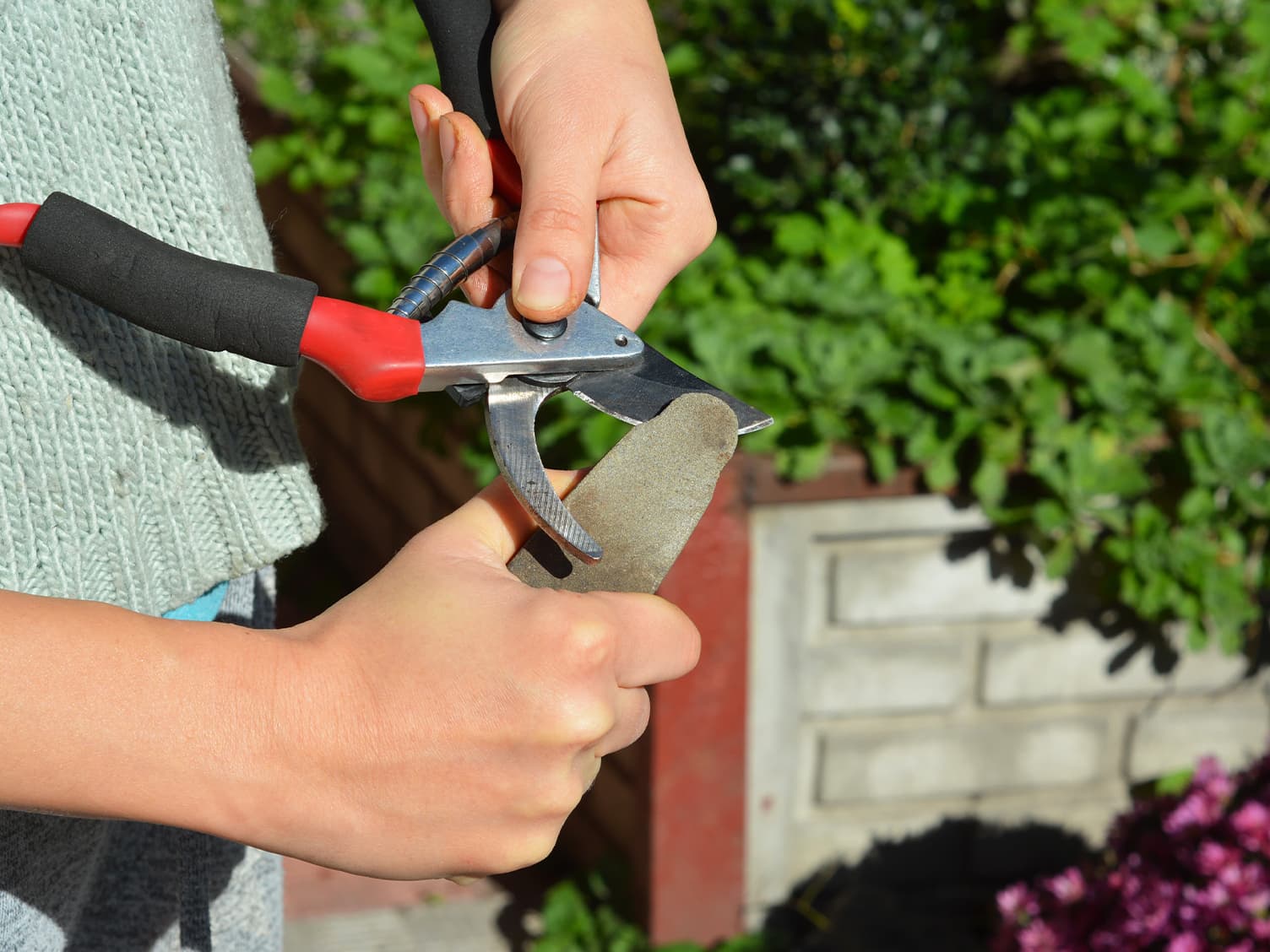
- Clean and sharpen your garden tools, especially secateurs, loppers and pruning saws so they are ready for action in winter.
- After dahlias and chrysanthemums have finished flowering, cut plants down to encourage new shoots, which can be taken as struck as “green cuttings” in spring.
- Rake up fallen leaves and either add them in layers to your compost bin or spread them over garden beds, where they will breakdown to produce humus-rich leaf mould.
Pest Control:
- Keep an eye out for aphids and other insect pests, especially on herbs and vegetable and flower seedlings. Use a general garden insecticide like Defender Pyrethrum Insect Spray to control them. Don’t forget to spray the undersides of leaves too.
- Watch for the caterpillars of the White Cabbage Butterfly on cabbage, cauliflower, broccoli and other brassicas. Pyrethrum will assist or try a cabbage dust.
- Slugs and snails can be active over winter – Defender Snail & Slug Pellets in a bait trap will protect your plants and keep your pets safe.
Lawn
Maintenance tips for your Lawn:
- Southern Australia receives most of its rainfall over winter, so check how well your lawn drains and take remedial action now. Most lawn grasses will not tolerate their roots being saturated for extended periods, particularly when it’s cold.
- To improve drainage, aerate your lawn now even if you did it in March or April. This time, use a coring machine to remove larger plugs of soil. This not only helps oxygenate your lawn but also assists it to drain and dry out after rain.
- If your grassed area is small, a stout-pronged garden fork worked back and forth, in rows about 300mm apart, will achieve a similar result.
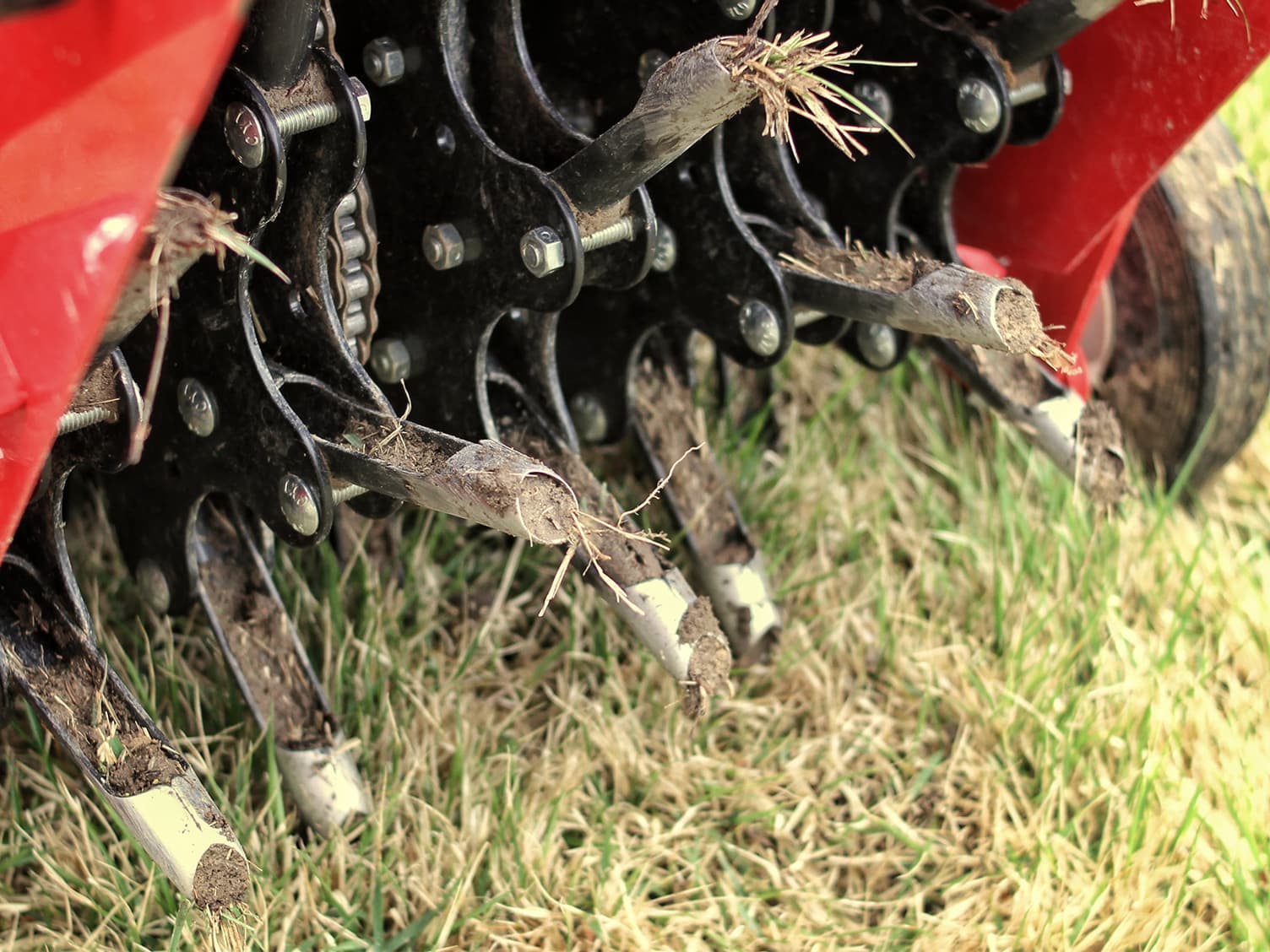
- If your lawn remains very wet after moderate to heavy rain, then you may need to install a drainage system. This can be done with minimum disturbance using a narrow trenching spade or machine and slotted polypiping that then connects to a sump or stormwater drain.
- Watch for moss in shady, moist areas of lawn. A solution of iron sulfate (30 grams in 4.5L of water) applied as a spray or with the watering will help control it. Re-apply if necessary.
- Broadleaf weeds can be problematic even in Winter. Lawn Builder Bindii, Clover & Broadleaf hose-on, safe to use on ALL lawns, will keep them in check.
In the warmer north:
- De-thatch the lawn with a garden rake to remove build-up of dead grass, especially in buffalo, kikuyu and couch lawns.
- Remove weeds either by hand or with Lawn Builder Bindii, Clover & Broadleaf hose-on.
- Top dress with Scotts Lawn Builder Organic Lawn Soil – Topdress Mix & Underlay.
- Water entire lawn area, if permitted, to settle topdress mix.
- Fertilise with Lawn Builder All Purpose Slow Release Lawn Fertiliser, Lawn Builder Buffalo, Lawn Builder Extreme Green Granular or one of the Lawn Builder hose-on equivalents.
Indoor Plants
Tips for Indoor Plants:
- Plants inside the home assist in purifying the air as well as lending a touch of greenery to your living areas.
- Over the cooler months, make sure plants are kept out of draughts and away from heaters and air conditioners that can dry the atmosphere.
- Your plants will thrive in temperatures and humidity levels that are most comfortable for you. If your home is heated, place a saucer or bowl of water near your plants but DO NOT stand pots in water!
- Occasionally wipe leaves with a damp cloth (no detergents or oils, please!) to remove dust and dirt that can affect photosynthesis.
- Keep them growing well with ready to use Osmocote Pour+Feed Indoor Plants – no mixing required.