Tools
September in the Garden
September
Spring is in the air …
It’s that wonderful time of year when the garden comes to life again after Winter. Deciduous blossom and fruit trees are in full bloom, there are bulb and seasonal flowers aplenty and other trees and shrubs are sprouting bright green new leaves and shoots.
Gardening in September
Gardening in September
The vegetable garden is at the height of production in September, whilst there are plenty of bulbs and flowers to plant in September too. Discover what you should be doing in your garden in September as we head into the spring.


Vegetables
What to harvest now:
The last of the winter veggies, including cabbage, kale, cauliflower, Brussels sprouts and broccoli should be harvested early in the month. New season’s asparagus will be peaking now. Harvest spears when about 15cm tall.
What to plant now:
Continue planting certified virus-free strawberry plants and runners. Rhubarb crowns should be planted as soon as possible. It’s too cold in southern areas to sow tomato seeds, even under cover. Wait until early October.
Click on the plant image below to find out more about them.
In cooler areas seeds or seedlings of the following may go into sunny, well-prepared beds:
- Broad bean
- Carrot
- Celery
- French bean
- Lettuce
- Leek
- Onion
- Parsnip
- Dwarf pea
- Climbing pea
- Potato tubers
- Silverbeet
- Sweet corn
In temperate to warm areas plant:
Veggie patch tips for September:
- Water in newly planted seedlings with a liquid fertiliser for vegetables and herbs such as Osmocote Pour+Feed Vegetables, Tomatoes & Herbs or a certified organic fertiliser to give them a good start.
- After sowing seeds, water well to moisten the soil, then wait until shoots appear before watering again.
- Hand pull or hoe out weeds as they appear – they compete for nutrients and moisture and may also harbour pests that could attack your crops.
- Pull out the last of the winter crops and put them into the compost bin if they are disease-free.
- Preparation for spring sowing and planting should be well underway. Keep the soil tilled, weed-free and moist.
Fruit
What fruits to harvest now:
Only the warmer parts of the country are likely to have any fruit to harvest this month. Mandarins, tangelos, grapefruit and lemons should be plentiful and, in tropical areas, mangoes and paw paws (papaya) will be starting to ripen.
What fruit to plant:
Evergreen fruiting plants such as passionfruit vines and citrus can planted in warm to tropical areas. In temperate to cool areas, wait until the danger of frosts has passed. Potted deciduous fruit trees and vines can be transplanted this month. It’s best to get them in and established before the weather gets too warm in late spring.
The range available may include:
- Fig
- Apple
- Pear
- Cherry
- Plum
- Apricot
- Plumcot
- Nectarine
- Peach
- Persimmon
- Almond
- Walnut
- Mulberry
- Pomegranate
- Quince
- Raspberry
- Blackberry
Herbs
What to grow:
“Hard” herbs - rosemary, sage, thyme, bay laurel, oregano, mint* – may be planted now in warm climates. “Soft” herbs – parsley, basil, coriander, chives, tarragon – may be grown indoors in cooler areas or outdoors in warmer climates.
*Mint should be grown in a pot to stop it becoming invasive.
Indoor Plants
Tips for Indoor Plants:
- Plants inside the home assist in purifying the air as well as lending a touch of greenery to your living areas.
- Natural light is important but don’t stand pots on north or west-facing windowsills where they will be exposed to direct sun through the glass.
- Place a saucer or bowl of water near your plants to humidify the air or regularly mist them with a water atomiser.
- Wipe leaves occasionally with a damp cloth to keep them clean.
- Feed every few weeks with ready to use Osmocote Pour+Feed Indoor Plants – no mixing required.
Lawn
Mid-September is the ideal time to sow a new lawn or lay instant turf. There’s just enough warmth in cool areas to encourage germination and/or good root growth so the new lawn will establish before it gets too hot. Prepare the area by removing all weeds, hoeing the soil to break up clumps and levelling it. Add a layer of Lawn Builder Topdress Mix and Lawn Builder Starter Slow Release Lawn Food as per bag instructions before sowing or laying turf.
If you have not already fertilised the lawn this spring, you should do so now.
- Lawn Builder All Purpose Slow Release Lawn Food, Lawn Builder Buffalo Slow Release Lawn Food or Lawn Builder Extreme Green Slow Release Lawn Food (all granular fertilisers that will feed your lawn for up to three months and suitable for all types of grass) will suit most situations.
- If you have a broadleaf weed problem, then choose Lawn Builder + Weedkill Slow Release Lawn Food but READ THE LABEL FIRST! This fertiliser cannot be applied to buffalo grasses and some other lawn substitutes.
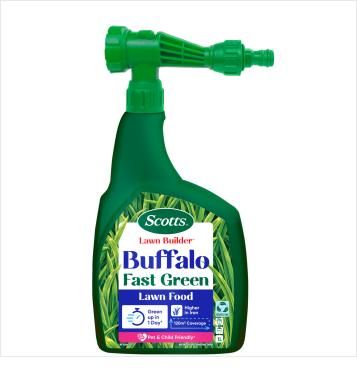
- Buffalo grasses and lawn substitutes can be treated and fed with Lawn Builder Buffalo Weed, Feed & Green Up, a hose-on product that can be safely used on all lawn types. However, it is not a slow release, long lasting lawn food.
- Control moss in shady areas with a solution of iron sulfate (30 grams in 4.5L of water) applied as a spray or with the watering will help control it. Re-apply if necessary.
- If you’ve already fertilised the lawn when you notice broadleaf weeds including bindii spreading, use Lawn Builder Bindii, Clover & Broadleaf hose-on to eradicate them.
Flowers
What flowers to plant:
Potted roses in full leaf can be planted now. It’s too late now to plant advanced flowering pots out into the garden but they can be used to add splashes of colour to verandas and decks.
In cool areas, sow seeds into seed trays of:
- Amaranthus
- Bedding begonia
- Candytuft
- Carnation
- Celosia
- Eschscholtzia
- Geum
- Linaria
- Lupin
- Nasturtium
- Petunia
- Scabiosa
- Sweet William
- Verbena
- Wallflower
- Zinnia
In warmer areas, plant annual seedlings of:
- Dianthus
- Gaillardia
- Geum
- Gypsophila
- Honesty
- Impatiens
- Nasturtium
- Petunias
- Statice
- Zinnias